The International Press Institute (IPI) strongly condemns the Trump administration’s subpoenaing of New York Times journalists in apparent retaliation for their public interest reporting. We call on the U.S. Justice Department to reverse course immediately and withdraw these subpoenas. IPI also calls on Democratic and Republican members of Congress to stand up in defence of the independent press — a core pillar of democracy that is currently under unprecedented attack in America.
On July 10, the Department of Justice delivered federal grand jury subpoenas to a group of New York Times reporters, including veteran journalists Julian E. Barnes, Eric Lipton, Tyler Pager, and Eric Schmitt, following a meeting of several senior Trump administration officials at the White House. Several of the subpoenas were delivered directly to the journalists’ homes.
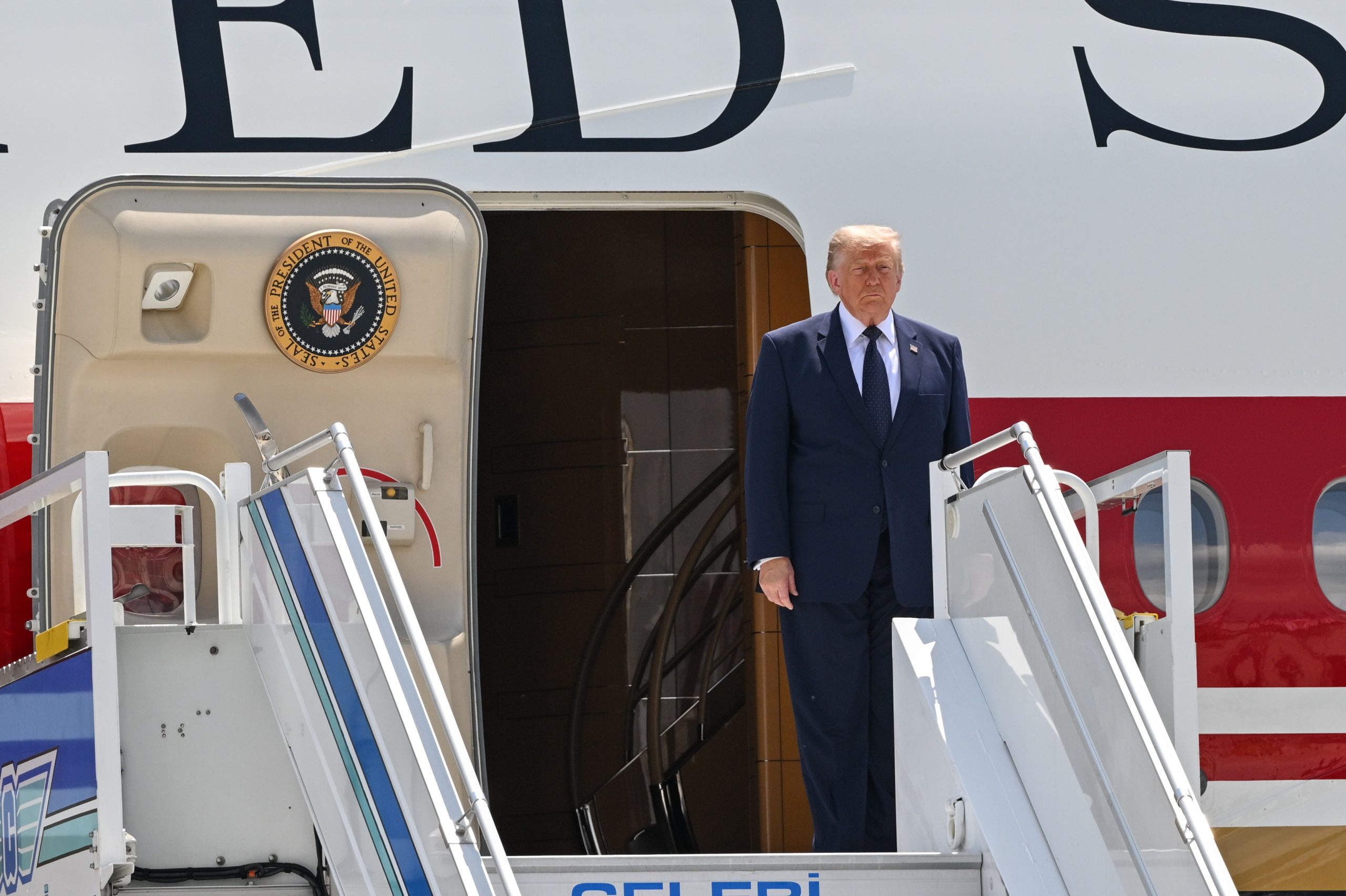
The subpoenas — which were reportedly light on details — were issued following the journalists’ reporting on security concerns involving U.S. President Donald Trump’s Qatari-gifted Air Force One plane which Trump travelled on for the first time earlier this month. According to the New York Times, the president travelled back from the NATO summit in Turkey via his old jet, which has advanced security features the retrofitted jet lacks, on the advice of the Secret Service after Iran made threats against the president.
“It is difficult to overstate the chilling effect these subpoenas — if allowed to stand — will have on the state of press freedom in the United States,” said John Daniszewski, chair of the North American Committee of IPI. “Under the second Trump administration, the American news media has come under unprecedented threat, as this administration pursues a multifaceted strategy aimed at stripping the media of their independence and intimidating and harassing the press into silence. A free press must never be taken for granted: Democrats and Republicans alike must loudly stand up for the democratic principles the United States was founded on.”
The subpoenas require the journalists to testify before a grand jury in New York City on July 15. In a statement, the New York Times’ legal team defended their journalists’ reporting, calling the subpoenas a “brazen act” intended to “prevent the public from knowing what is happening in their country.”
Several members of Congress, including Senate Minority Leader Chuck Schumer, similarly condemned the administration’s actions as an attack on the First Amendment aimed at silencing critical national security reporting in the public interest.
The Justice Department has said the journalists were not the target of the FBI’s investigation into the leaks, but rather the government officials who leaked the information the Times’ journalists reported on. While investigations into leaks of classified government information are not uncommon, previous presidential administrations have typically avoided taking such direct legal action against journalists in the context of these investigations, in keeping with the U.S.’ long tradition of media independence.
In his second term, Trump has ramped up efforts to “reshape” the U.S. media landscape, as Trump has publicly stated, through ownership changes, regulatory mechanisms, and legal pressure targeting outlets and individual journalists whose reporting has scrutinised the actions of his administration.
In January, the FBI conducted an unusual and highly aggressive search and seizure of electronic devices from the home of Washington Post reporter Hannah Natanson in what IPI’s North American Committee called a “fishing expedition” aimed at uncovering the identities of Natanson’s government sources.
Earlier this year, the Justice Department subpoenaed several Washington Post and Wall Street Journal journalists following their reporting on the U.S.’ military campaign in Venezuela and the U.S.’ war against Iran.
Last month, the government dropped the subpoenas after the outlets took legal action to block their reporters from testifying.