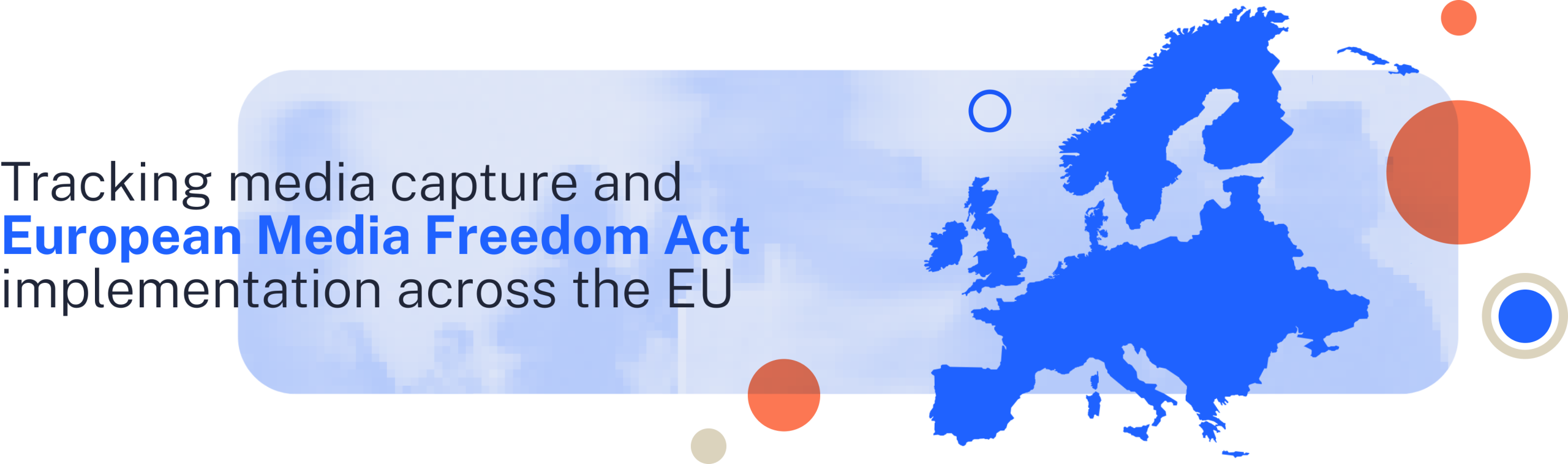
Annual monitoring of media capture in eight EU member states and how far they meet the standards set by the European Media Freedom Act
Published October 28, 2026
The International Press Institute (IPI) launches a new report series documenting media capture developments in eight European Union member states to assess how they meet the standards of the European Media Freedom Act (EMFA).
IPI produces the annual Media Capture Monitoring Report series jointly with the Media and Journalism Research Center (MJRC). The series is part of the organisation’s long-term work identifying and countering the capture and control of media in Europe.
This is the third iteration of the series covering eight EU countries: Bulgaria, Finland, Greece, Hungary, Poland, Romania, Slovakia, and Spain.
Each country report assesses the four safeguards in the EMFA that bear most directly on media capture: the independence of public service media, the independence of media regulators, protection against the misuse of state funds to influence the media, and transparency of media ownership and safeguards for media pluralism.
The 2026 edition follows the EMFA’s first year of full application, from August 8, 2025. Written by national experts and edited by MJRC and IPI, the reports track what has changed since the 2025 baseline assessment and identify the problems that remain.
IPI and MJRC will expand the series to all 27 EU member states, creating a major new EMFA implementation monitor.
The reports are a resource for media rights organisations, civil society groups, policymakers, and advocates working to monitor and strengthen media freedom across the EU.
The project is part of the Media Freedom Rapid Response (MFRR), a Europe-wide mechanism that tracks, monitors, and responds to press and media freedom violations in EU member states and candidate countries. It is co-funded by the European Commission.
Since its founding in 1950, IPI has tracked and documented threats to the free press all over the world. IPI closely monitors actions by governments and their allies to censor, capture, and control the press — and uses this data as the basis of its work advocating for the rights of journalists and the free flow of independent news and information wherever these rights are threatened.

Methodology note:
The Media Capture Monitoring Reports assess media capture through four key indicators:
- Independence of Public Service Media (PSM)
This area evaluates the editorial and functional independence of public service media providers. It assesses whether the procedures for appointing and dismissing heads of management or management board members are transparent, open, effective, and non-discriminatory. It also examines whether funding procedures rest on transparent and objective criteria to guarantee adequate, sustainable, and predictable financial resources that safeguard editorial independence.
Independence of media regulators
This area considers the autonomy and effectiveness of national regulatory authorities or bodies. It examines their financial, human, and technical resources and their ability to request necessary information and data. The area also assesses the coordination and consultation processes with other relevant authorities or bodies to ensure effective regulatory cooperation.
Misuse of state funds to influence media output
This area focuses on the transparency and objectivity of public funds allocated to state advertising. It assesses whether these funds are awarded based on non-discriminatory criteria and whether information on public expenditure for state advertising is publicly available. It also examines monitoring and reporting by independent authorities or bodies on the allocation of state advertising funds.
- Media pluralism and political influence over news media
This area evaluates the transparency of media ownership and the impact of media market concentrations on media pluralism and editorial independence. It assesses national substantive and procedural rules for media market concentrations, the criteria for assessing the impact on media pluralism, and the role of independent authorities in these assessments.
- European Media Freedom Act (EMFA)
The EMFA covers a wide range of issues, but this study focuses on the new rules designed to address media capture. These include provisions
- to guarantee the independence of public service media,
- to guarantee the independence of media regulators,
- to ensure against the misuse of state funds to influence media output, and
- to ensure media ownership transparency and tighten safeguards for media pluralism.
Explore the country reports
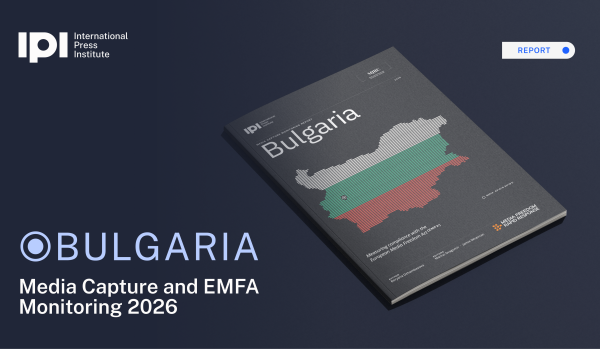
This report examines how Bulgaria’s new government has put media reform on its agenda, but more than a year into the full application of the EMFA, none of the changes it requires have been adopted.
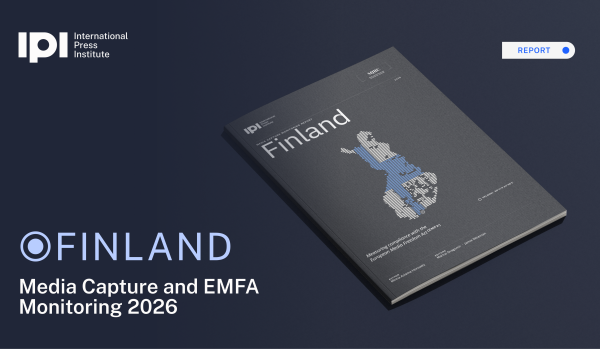
The report examines how Finland became one of the first countries in the European Union to align its domestic legislation with EMFA and subsequent developments in the past year.
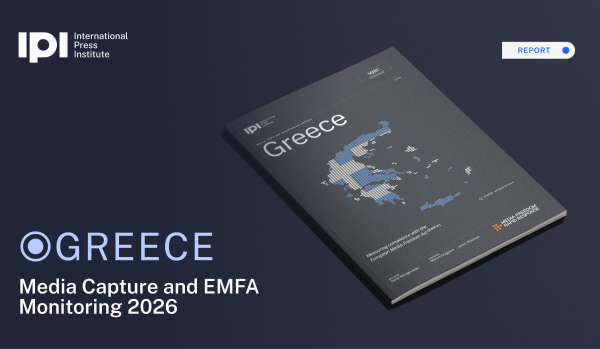
This report examines Greece’s work to align national legislation with the EMFA, including reforming the governance of the public broadcaster ERT and introducing the first EMFA implementing provisions.
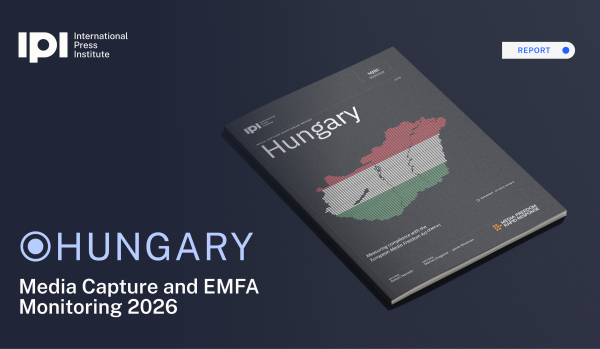
The report examines how the 2026 election and the landslide defeat of Viktor Orbán and his Fidesz party marked a historic shift in Hungary’s media landscape.
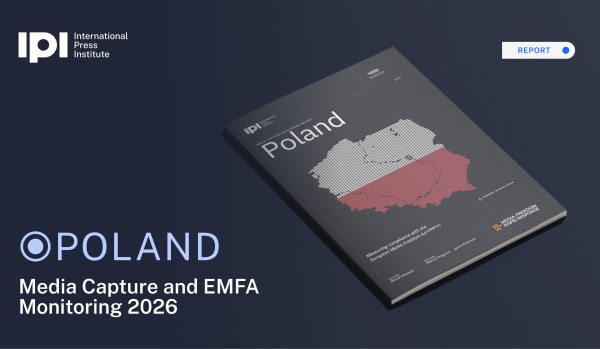
This report examines how Poland has not yet adopted the new media law that would align it with the EMFA, despite the development of media reform legislation by the government.
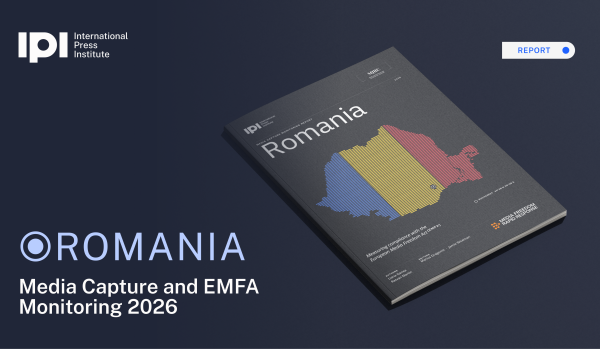
This report examines Romania’s lack of progress towards implementing the EMFA and how the country continues to suffer from structural vulnerabilities that permit media capture practices to persist.
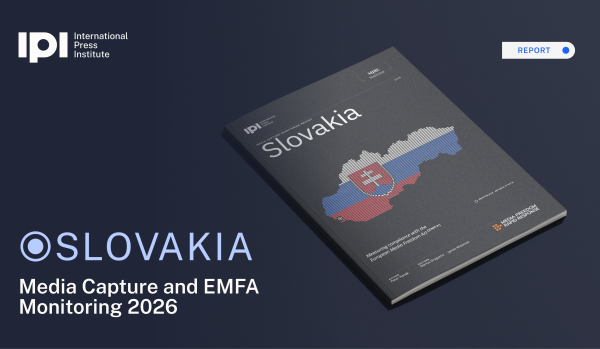
This report examines how multiple institutional capture and systemic risks are becoming a reality in Slovakia. Indirect government control over the public media in Slovakia has solidified over the past year, with clear effects on the programming of its public broadcaster, Slovak Television and Radio (STVR).
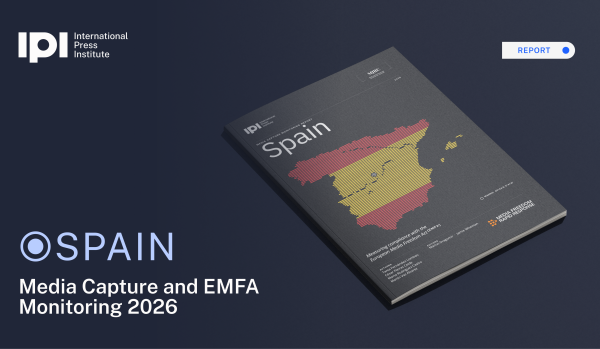
This report examines how Spain’s alignment with EMFA advanced on paper but not in practice in 2026, with the two bills that would give effect to the regulation not having been adopted.