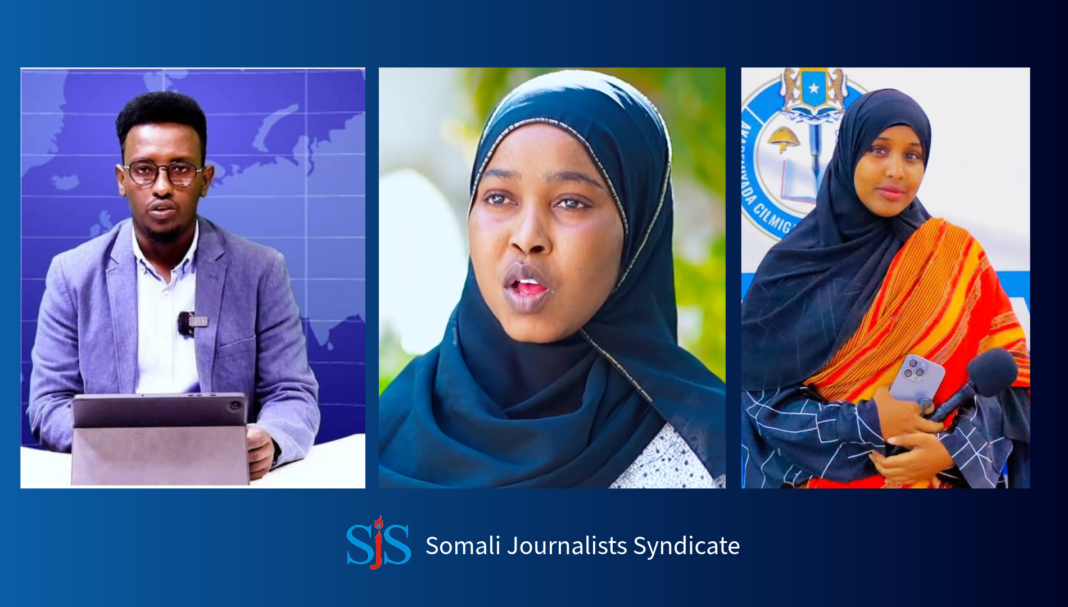
The IPI global network expresses deep concern over the escalating attacks, arrests, intimidation, and harassment of journalists in Somalia and especially throughout the month of May 2026. IPI calls on the international diplomatic community to intensify engagement with Somali authorities and urge them to prioritise the protection of journalists and press freedom.
As Somalia has been holding local council and state assembly elections and broader national conversations concerning the current government’s term and democratic processes, attacks on journalists and restrictions on independent reporting risk have increased.
IPI and its partners documented multiple cases of attacks against journalists in Somalia, including against climate and environmental journalists. IPI has also noted an intensifying crackdown on media coverage of forced evictions. A series of incidents in May underscores a deeply troubling pattern of repression against journalists in the country.
On May 6, journalist Shukri Aabi Abdi and cameraman Abdullahi Abdifatah Sidow from Shabelle TV were arrested by armed police officers in Mogadishu’s Hamar Jajab district while covering forced evictions. The officers allegedly assaulted Shukri, injuring her finger, confiscated her phone, and seized the team’s camera equipment before transporting both journalists to the Hamar Jajab police station. They were later released the same day without any charges brought against them.
Also on May 6, Kalsan TV journalist Ja’far Mohamed Jim’ale and cameraman Noradin Hasan Ali were arrested by police while covering clashes between residents and security forces in Mogadishu’s Dayniile district. The journalists were transferred between police stations without notice, allegedly to conceal their whereabouts from their families and colleagues. During their detention, they were reportedly subjected to degrading treatment, while their camera equipment and phones were confiscated. The two journalists were released without charge the following day.
On May 8 2026, members of Somalia’s U.S.-trained Mobile Vehicle Checkpoint Unit and officers from the National Intelligence and Security Agency (NISA) reportedly raided a restaurant in Mogadishu and arrested and detained three journalists: Mohamed Ibrahim Osman (Bulbul), SJS Secretary for Information and Human Rights, freelance journalist Abdihafid Nor Barre, and Abdishakur Mohamed Mohamud of Somali Stream Online
According to SJS, the journalists were beaten during the raid, with Abdihafid Nor Barre sustaining a head injury that caused bleeding after being struck with a pistol. The journalists were allegedly blindfolded, handcuffed, transferred between multiple police facilities, and interrogated about their reporting including a recent story that they had published for The Guardian about a woman allegedly being tortured in prison. They also reported receiving death threats warning them against covering planned opposition protests in Mogadishu. SJS further noted that Somali Stream Online had previously received threats linked to its reporting on forced evictions and the planned demonstrations.
The Somali Women Media Association also reported a growing wave of online attacks targeting journalists and independent media outlets on Meta platforms. Shabelle TV, Universal TV, and Dalsan TV are among media outlets whose content has been reportedly removed or restricted through coordinated reporting campaigns.
In a statement, the SJS Secretary General Abdalle Mumin called on the authorities to cease all attacks, harassment, and intimidation against journalists and allow the media to carry out their work freely and without fear.
“At a time when Somalia is going through an important political period marked by local elections and discussions surrounding the current government’s term, independent journalism is essential. We urge the international diplomatic community and multilateral partners to prioritise the safety of journalists in Somalia and engage the Somali authorities on the need to uphold press freedom and ensure meaningful accountability for violations against journalists,” said IPI Africa Programme Lead Nompilo Simanje.
“These recent incidents are examples of an increasingly dangerous environment for independent journalism in Somalia. Journalists must be able to report freely and safely without fear of arrest, violence, or intimidation. Continued attacks on the media threaten democratic participation and public trust, and they require urgent international attention and sustained pressure on Somali authorities,” Simanje added.
At the just-ended Universal Periodic Review (UPR) of Somalia at the U.N. Human Rights Council in May, several states raised concerns about freedom of expression and the treatment of journalists in the country. For instance, Australia specifically urged Somalia to repeal expression-based offences in the Anti-Terrorism Act and end the prosecution and harassment of journalists.