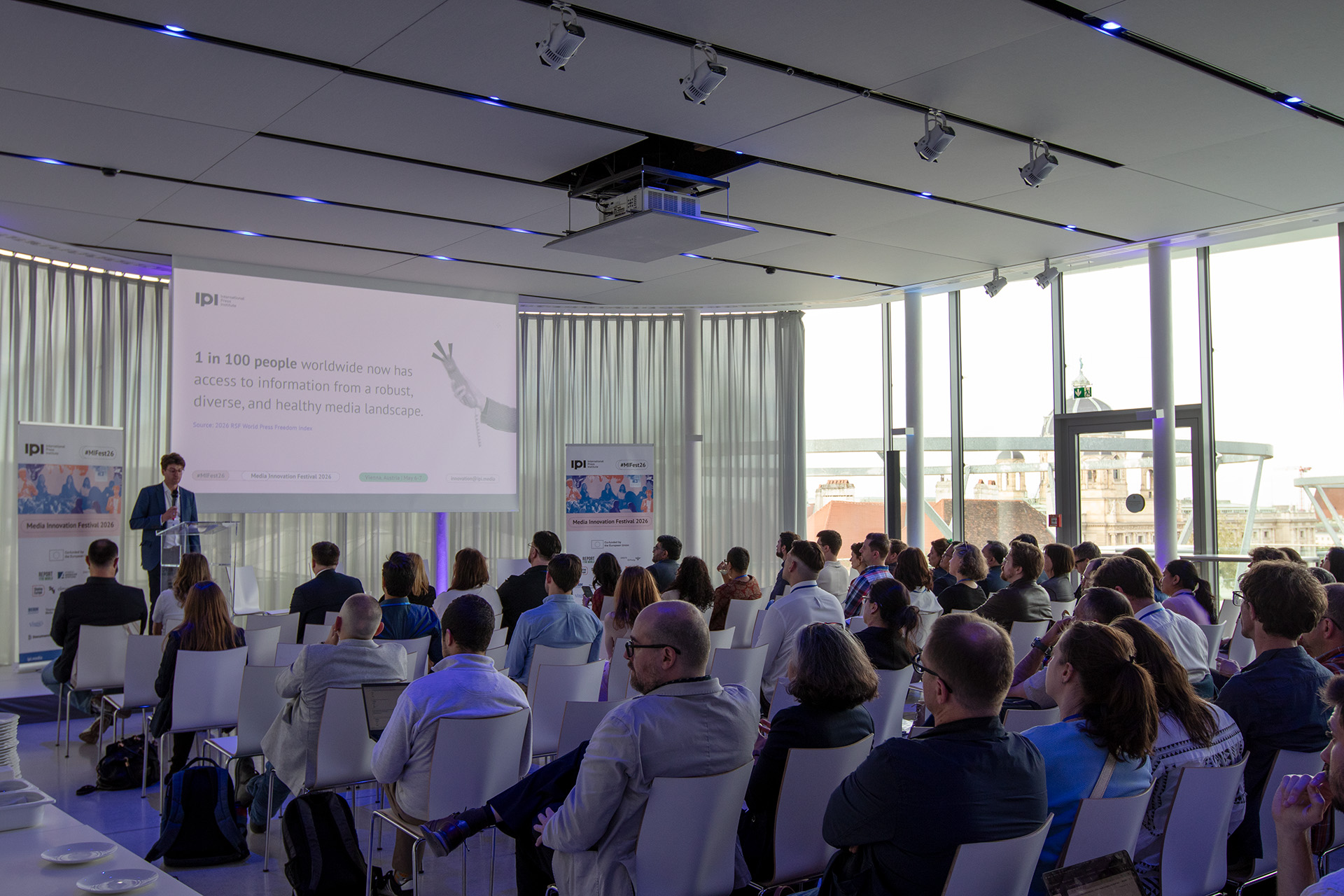
Pulling the threads together
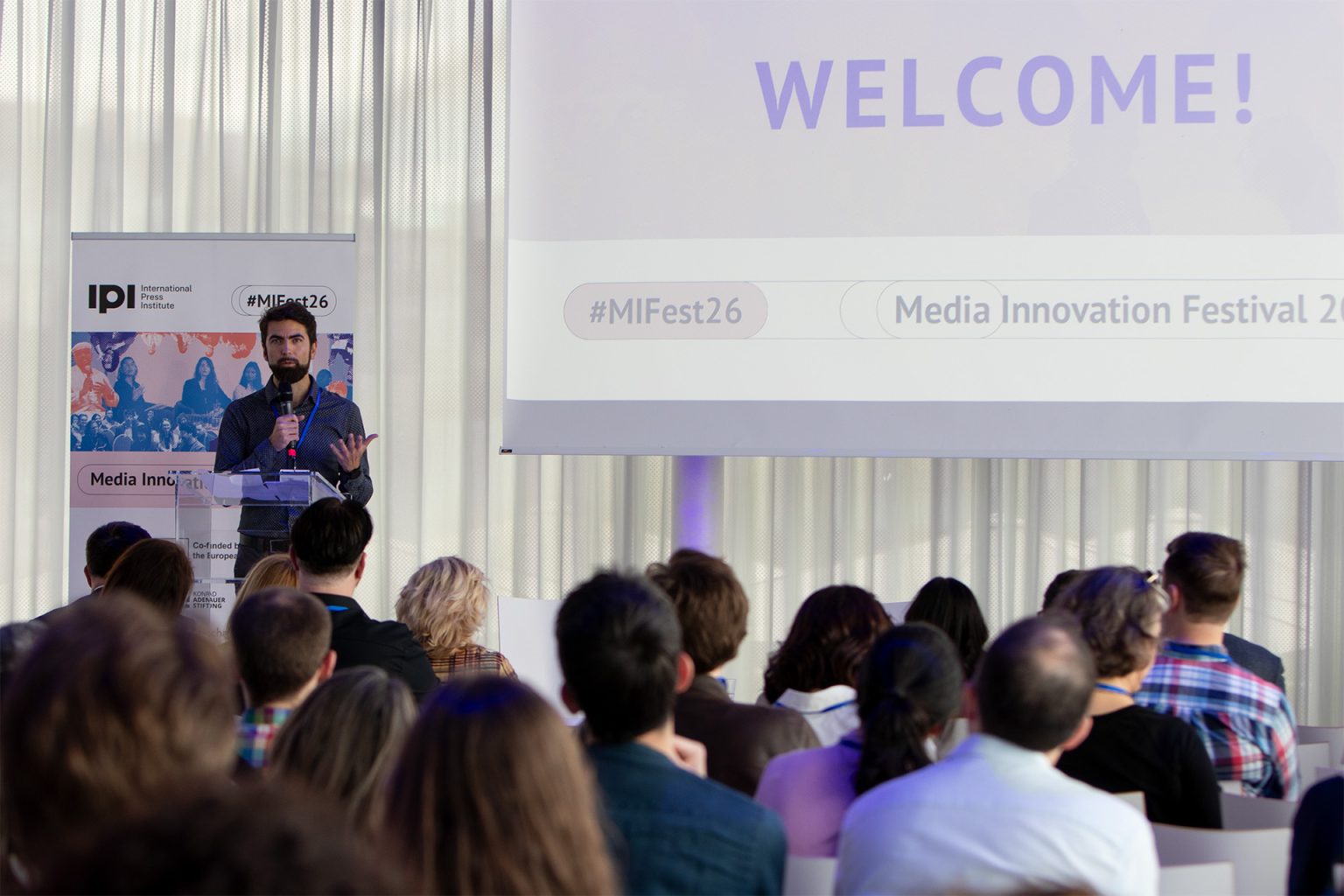
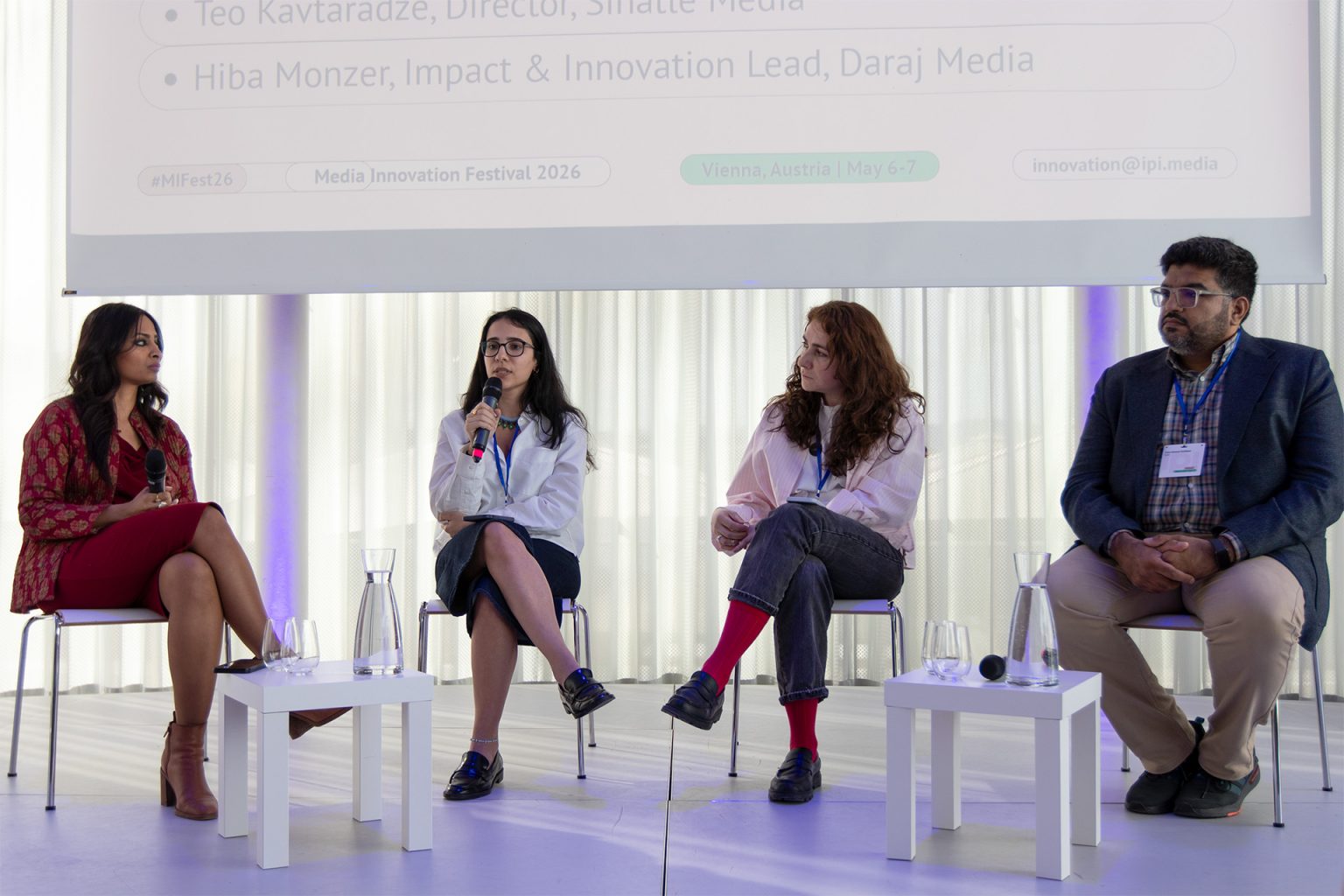
The opening conversation on media innovation in constant disruption made one thing clear: innovation is a pillar of resistance and survival for media, not just growth. In Lebanon, Daraj uses pre-bunking and coalitions to mitigate AI-enabled smear campaigns. In Pakistan, Dawn is designing for connections and targeting monetisable audiences like civil-service aspirants, researchers and the diaspora. In Georgia, a solidarity network of independent media takes its fundraising campaign to book fairs and flea markets to raise money for its network.
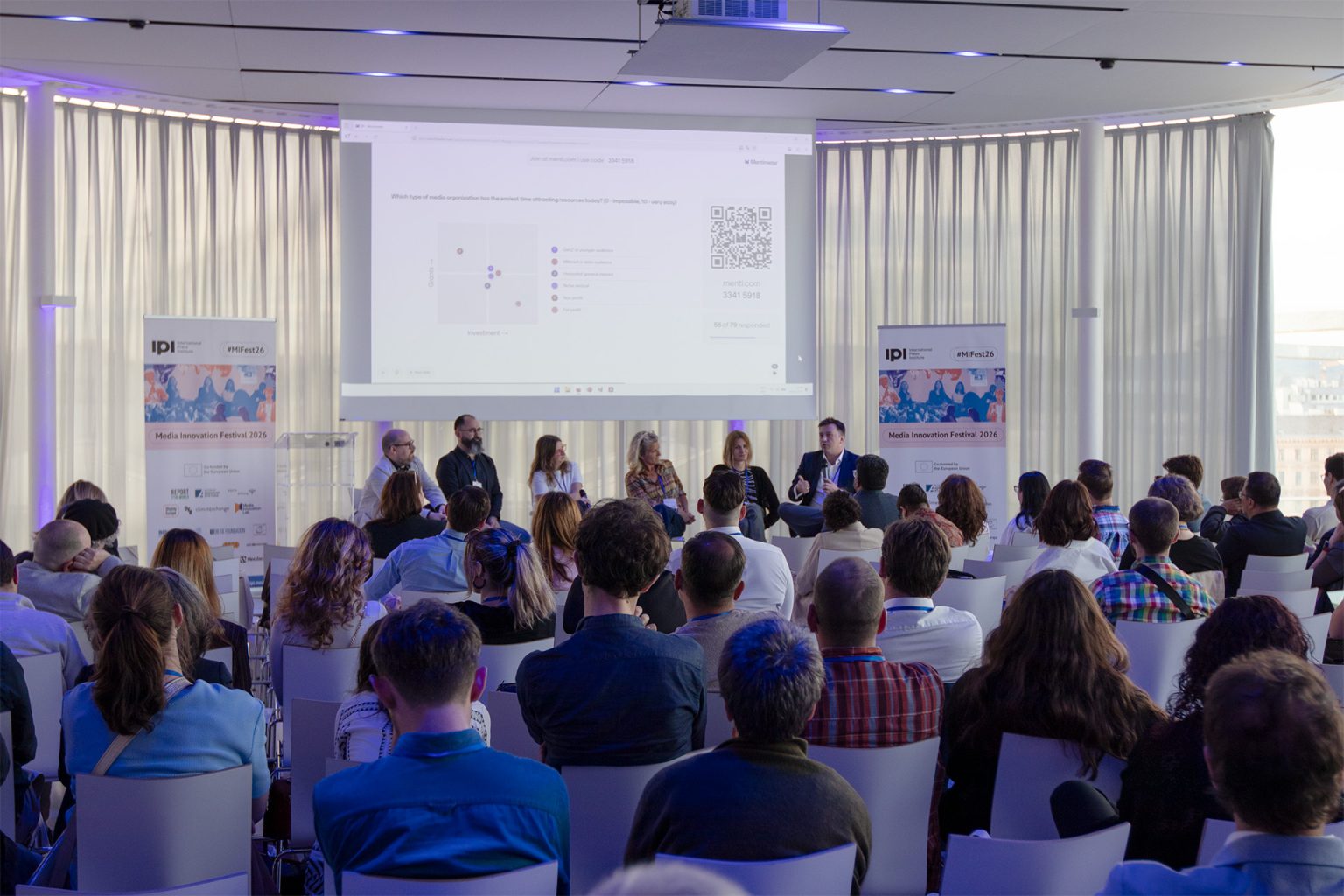
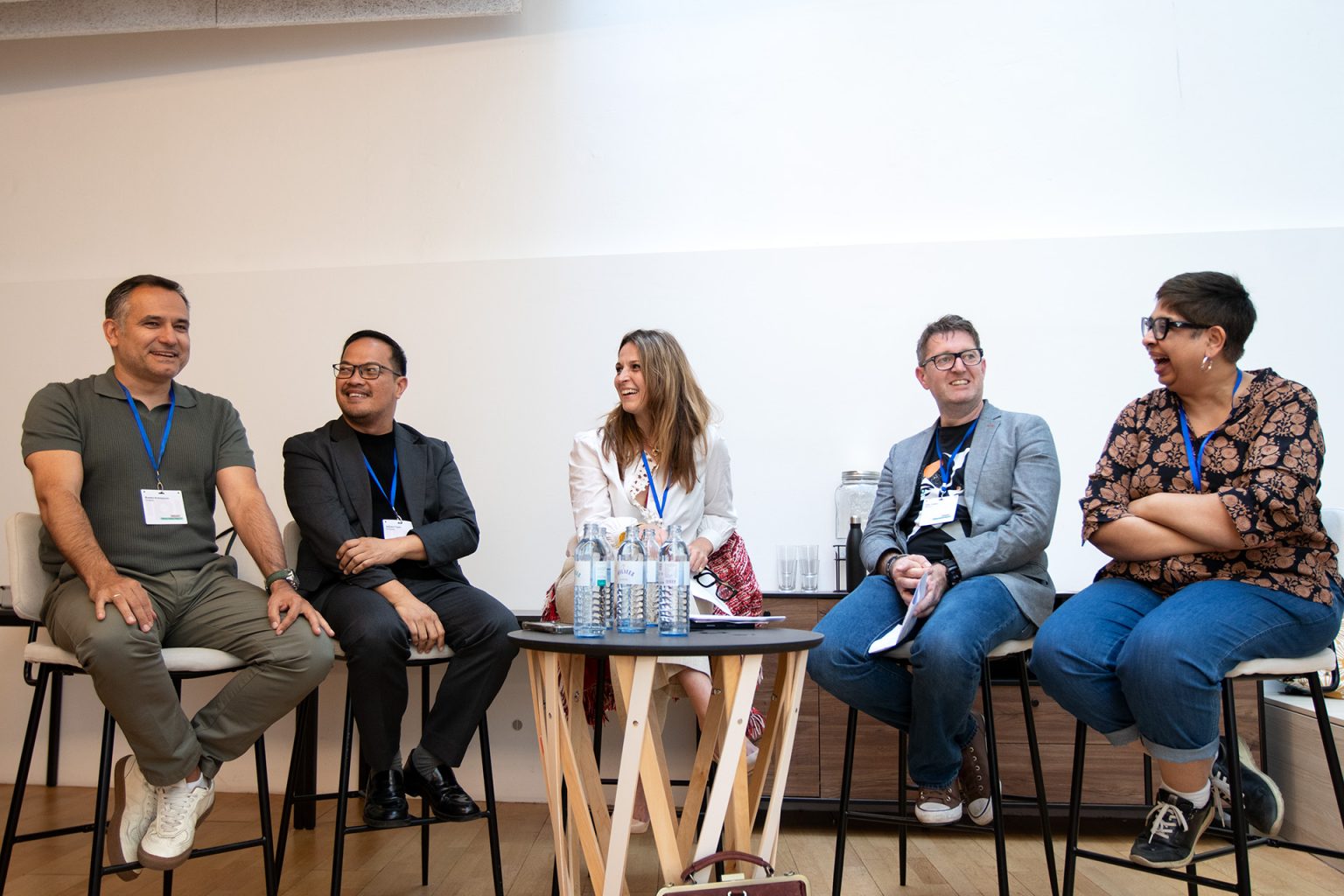
An investment panel surfaced the gap between how investors, donors, and journalists interact. Investors seek well-defined niche audiences, clear B2B products, and in-house business development. Despite multi-year unrestricted core support polling as the audience favourite, the panel pushed back on it. From our work at IPI, core funding is a bridge, not a destination.
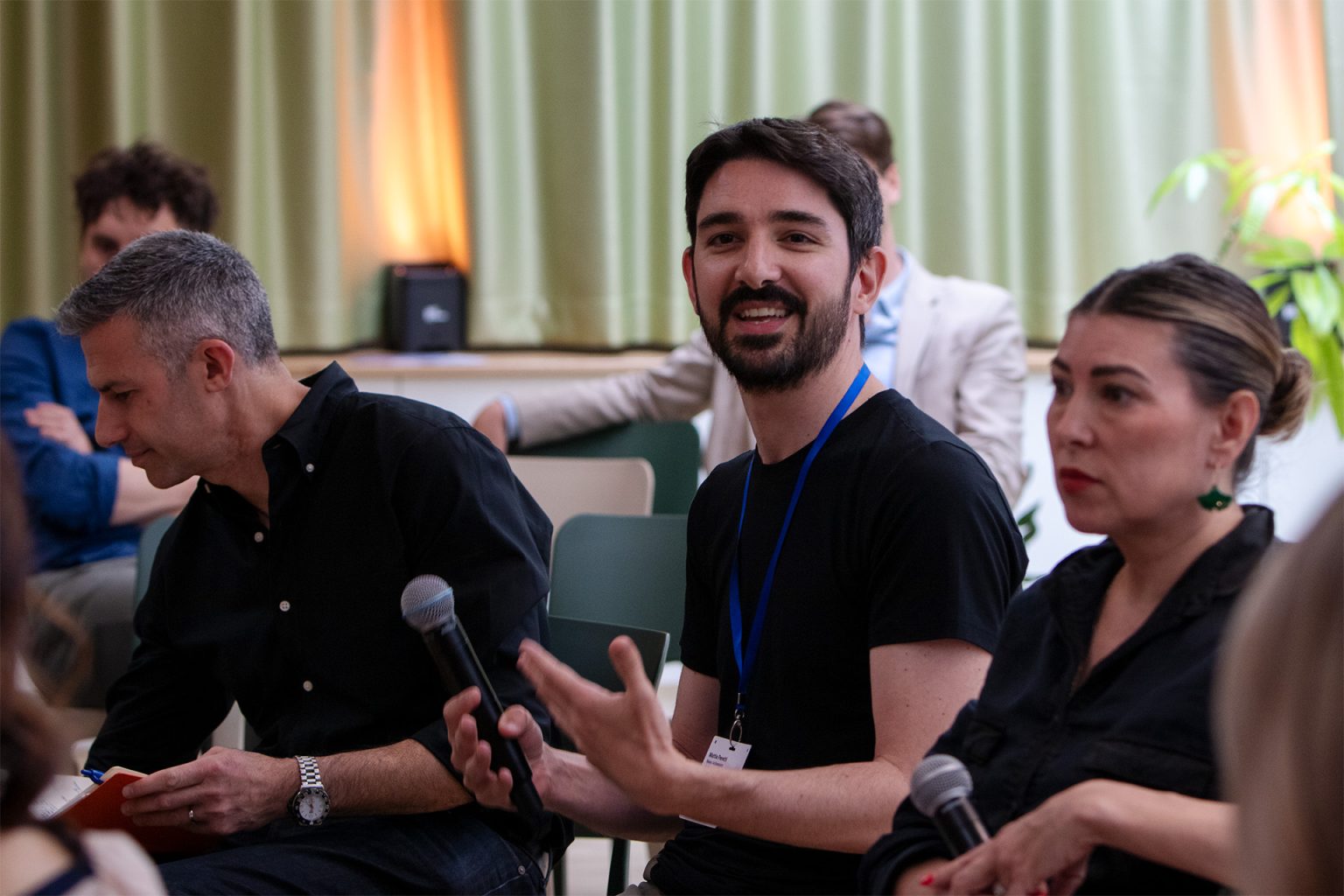
Going meta, one panel redefined the essential functions of journalism, pivoting from how to distribute or monetise to why we exist at all. Sarah Alvarez rooted journalism in three core values: record creation, responding to community needs and accountability reporting. Jeremy Gilbert, drawing on his research into next-gen audiences, said: “audiences feel overwhelmed by information, not starved of it”. That raises the question of whether it might be more impactful to serve less content and answer how it is useful. Since the room was global, this framing stuck with me: how do we bring global issues to a local context in ways that resonate?
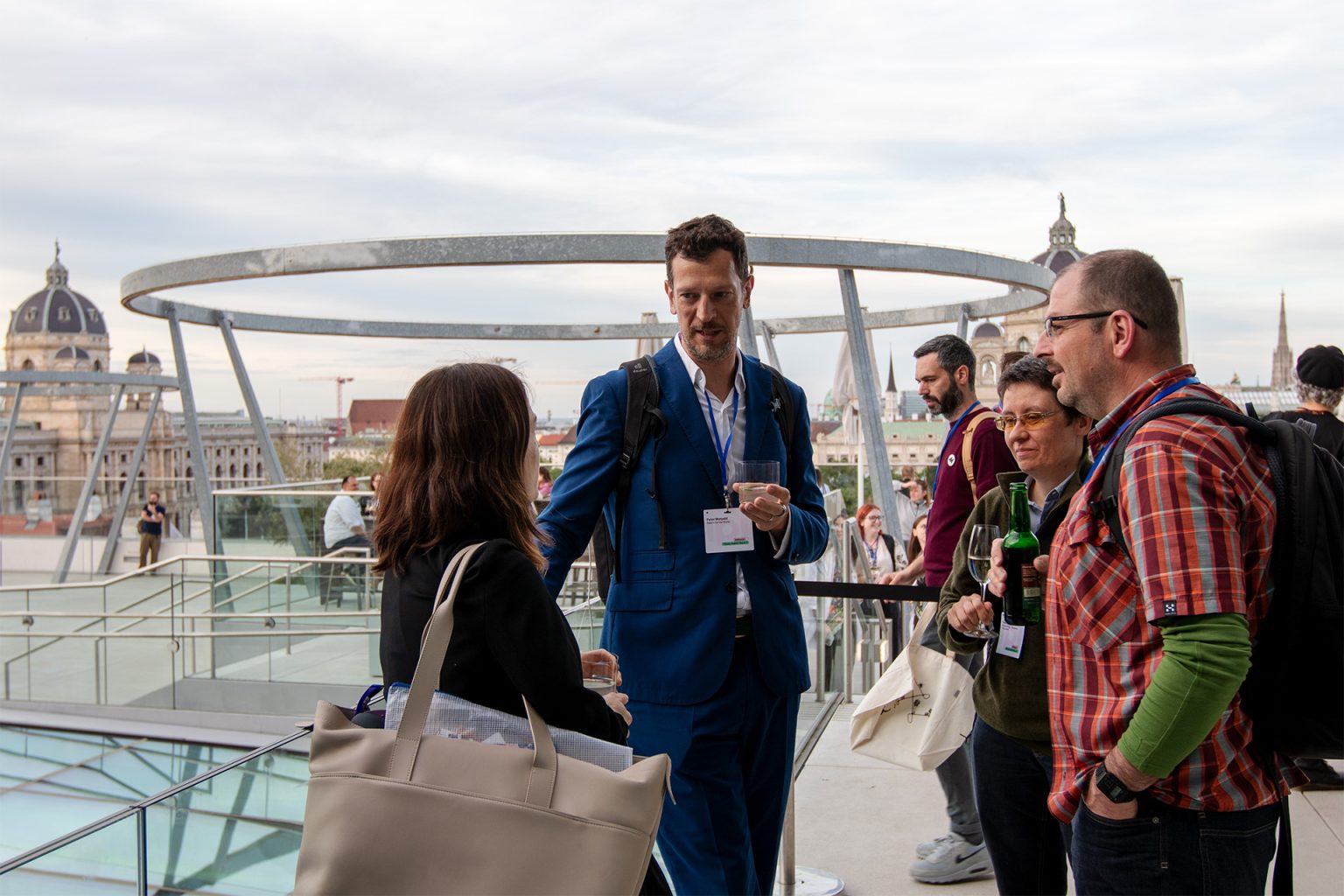
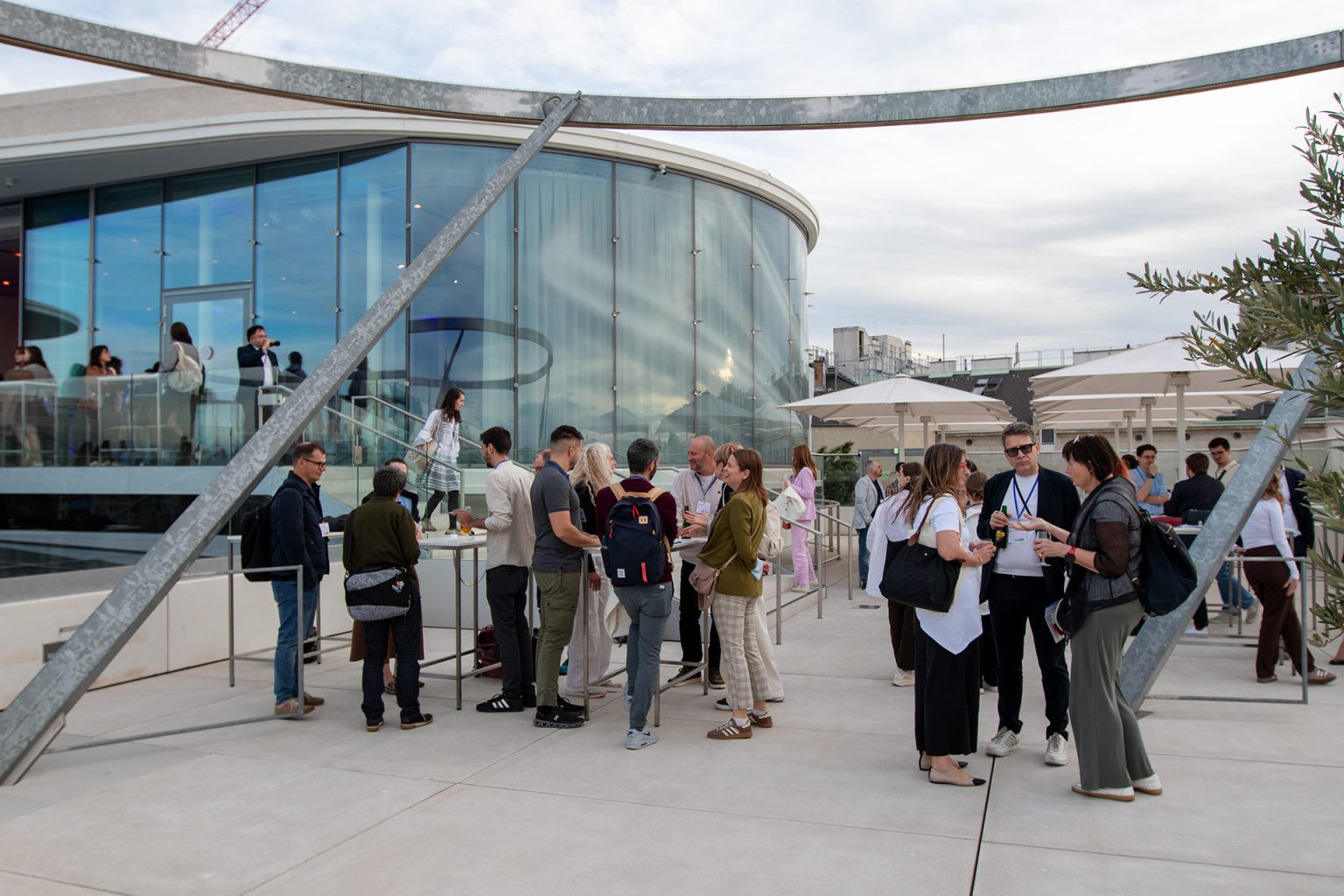
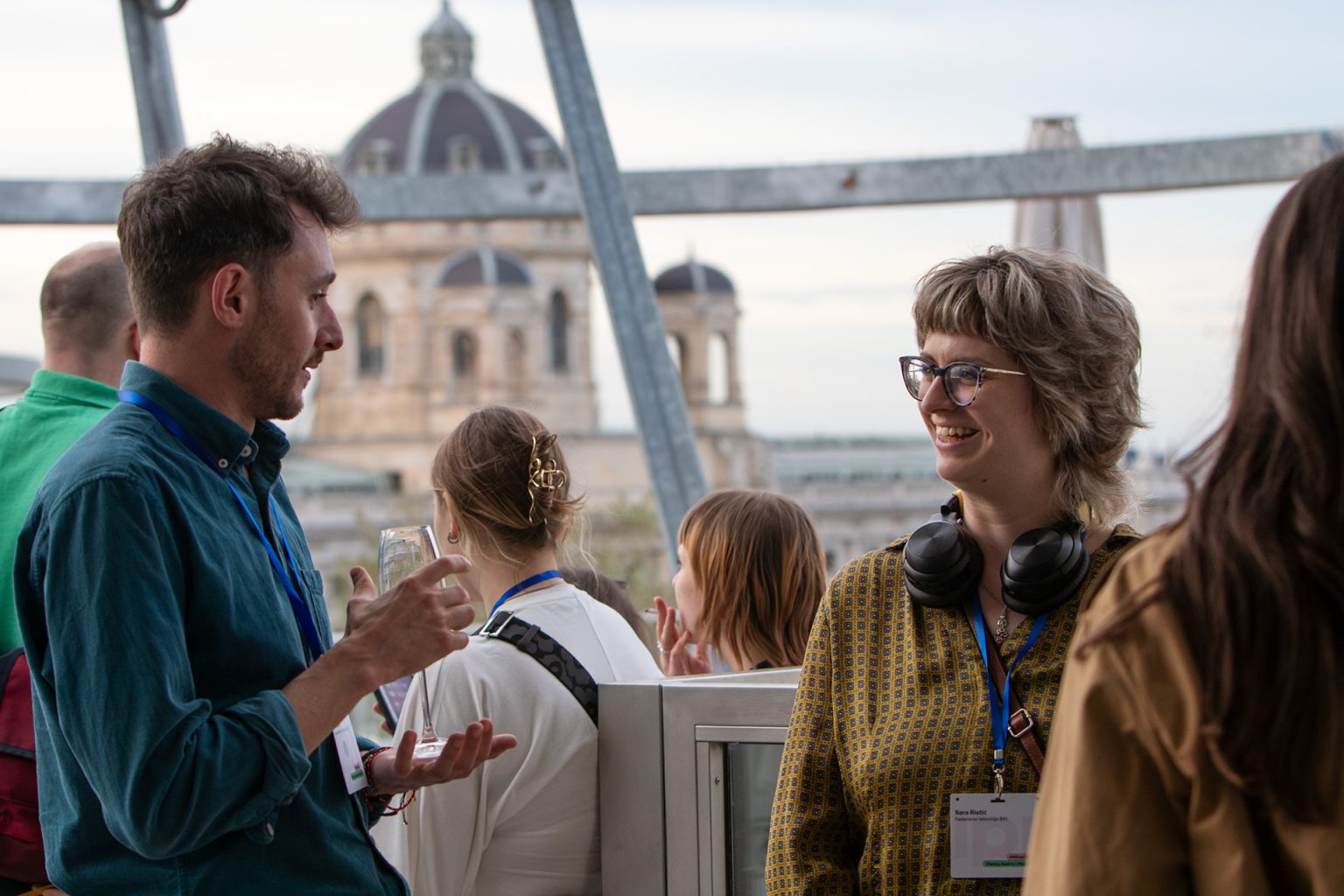
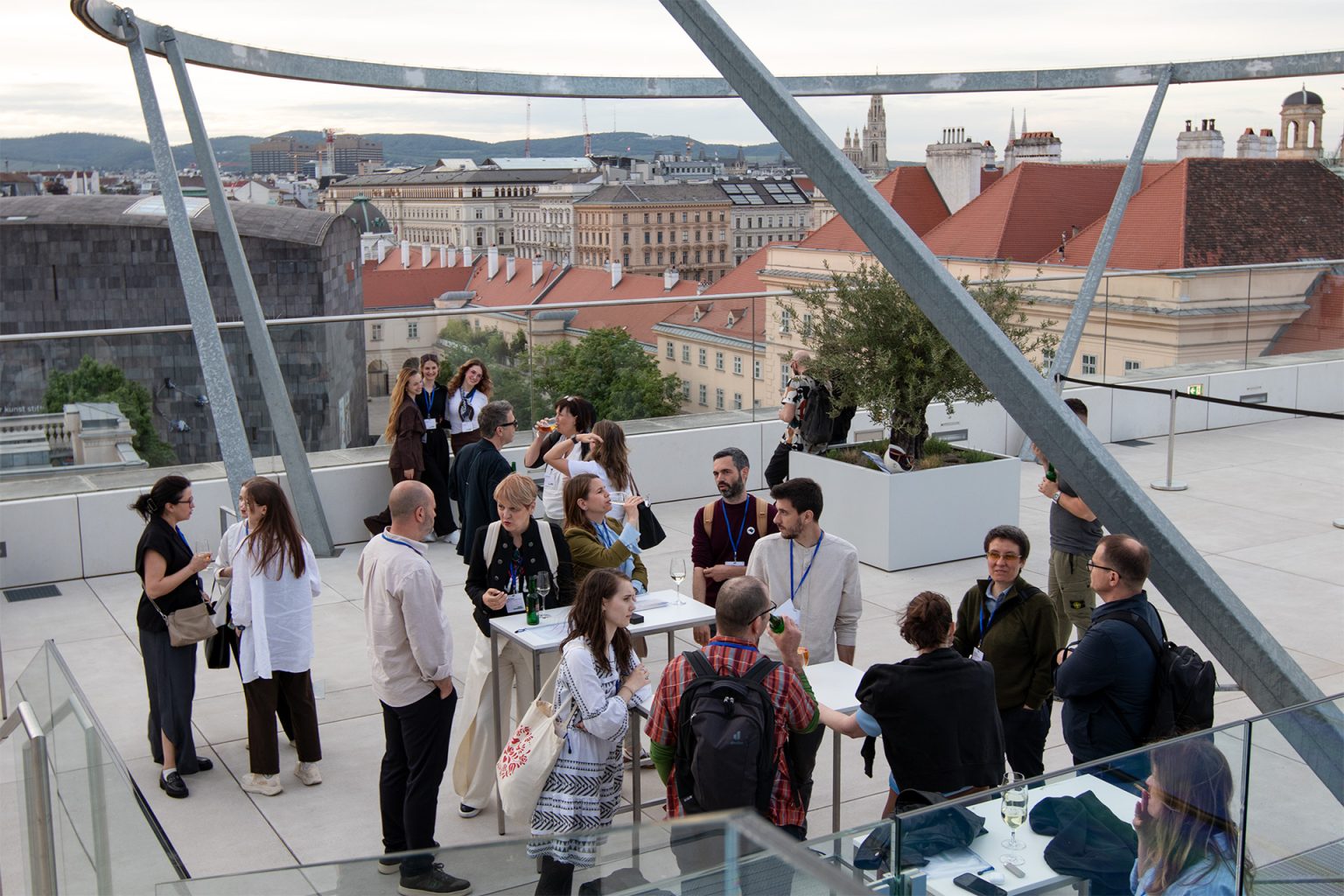
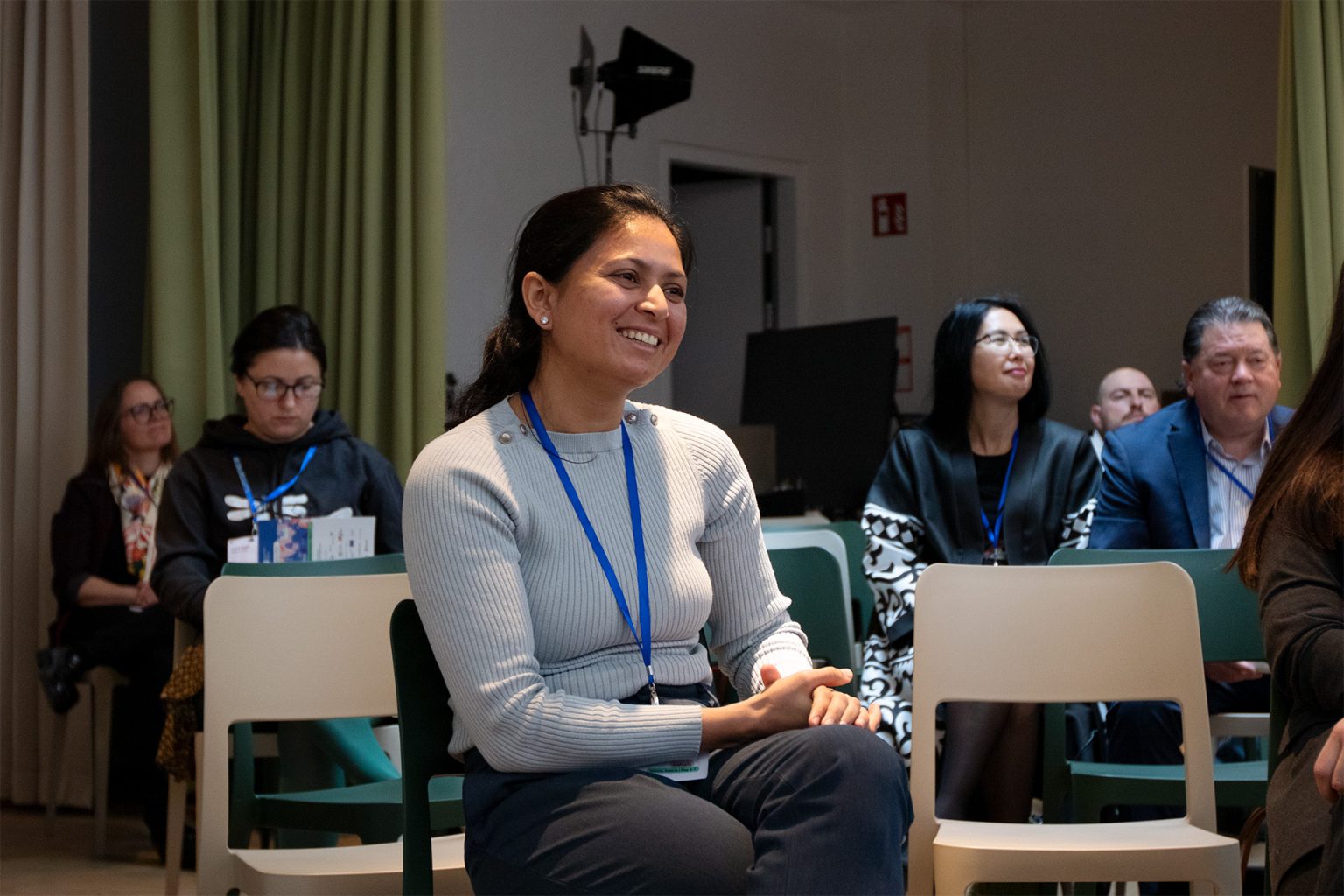
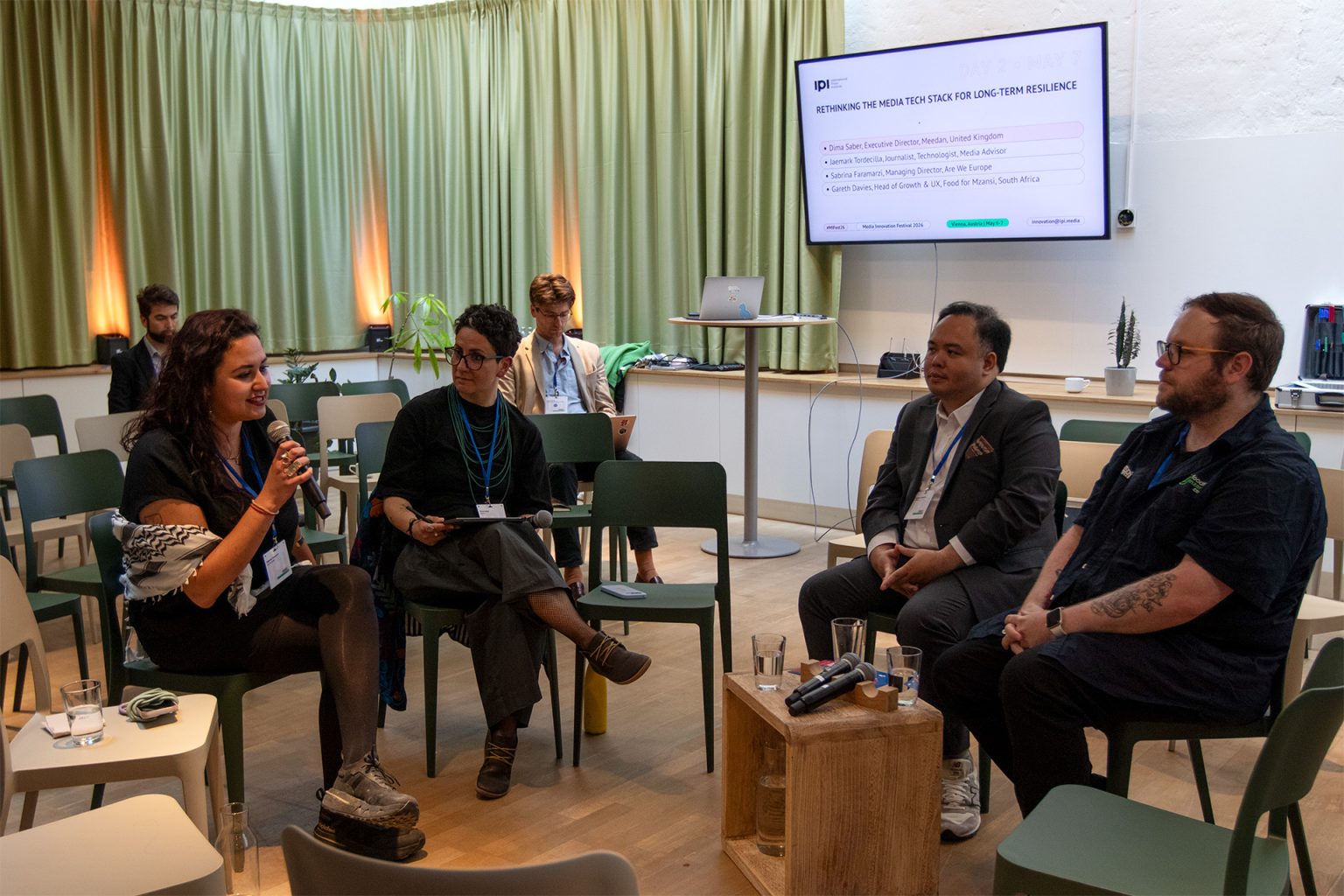
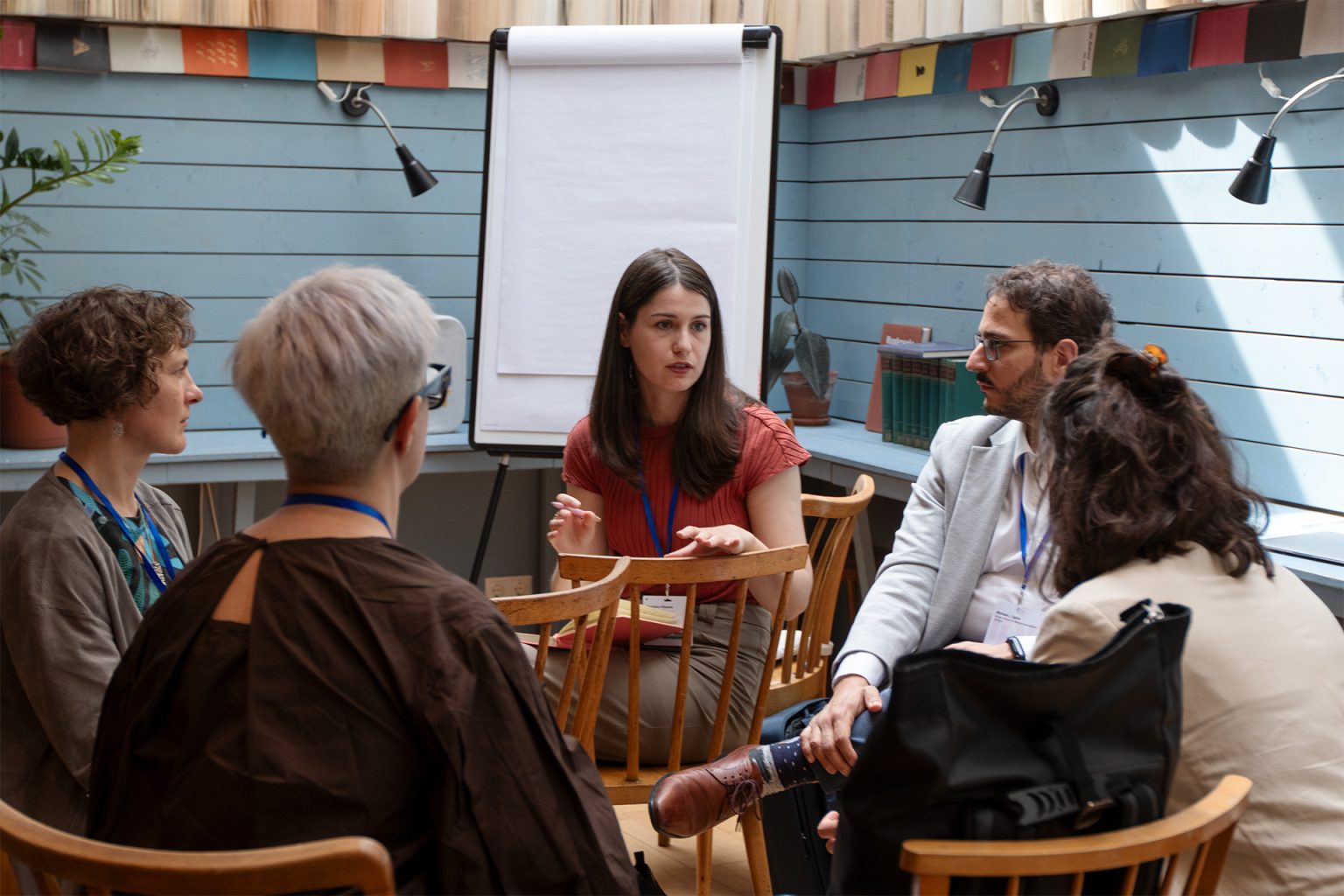
“This might be my favourite media conference I’ve attended in a while, particularly because of the nature of the conversations involving a pretty diverse set of delegates — journalists, yes, but also funders, technologists, impact experts, among many others — from every corner of the world” – Jaemark Tordecilla, technologist
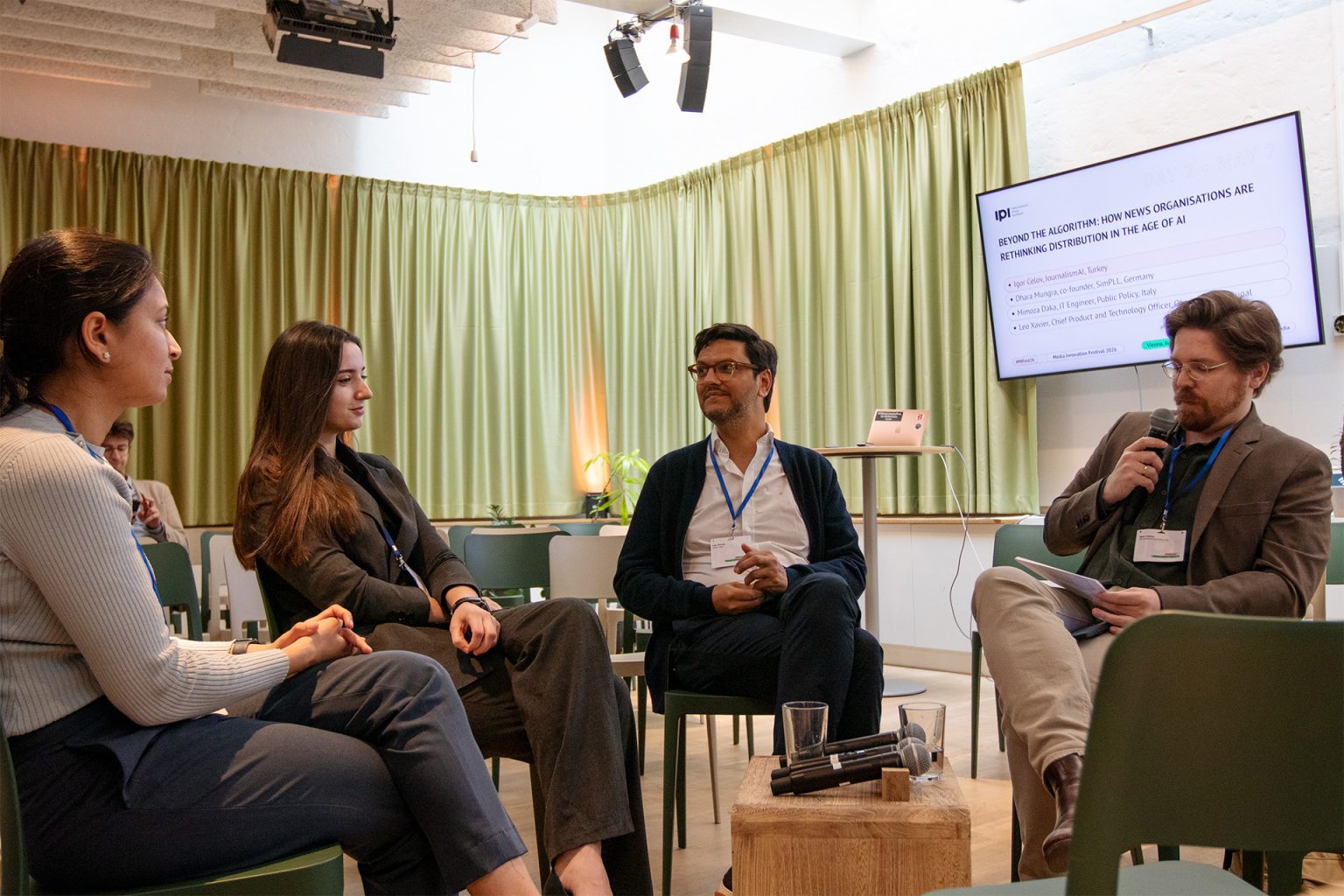
On AI, we should plan for a future where we won’t be paid by big tech, according to Leo Xavier. For some, AI is a way to extend resources for smaller media. Publishers are testing subscription concierges through WhatsApp bots, value built into proprietary archives such as years of reporting on parliament in Italy and more.
A surprising emphasis was the celebration of less present roles in media: impact editors, business managers and tech teams; the people communicating, building infrastructure, and making partnerships that let journalism sustain. An investment in people translates to a viable business.
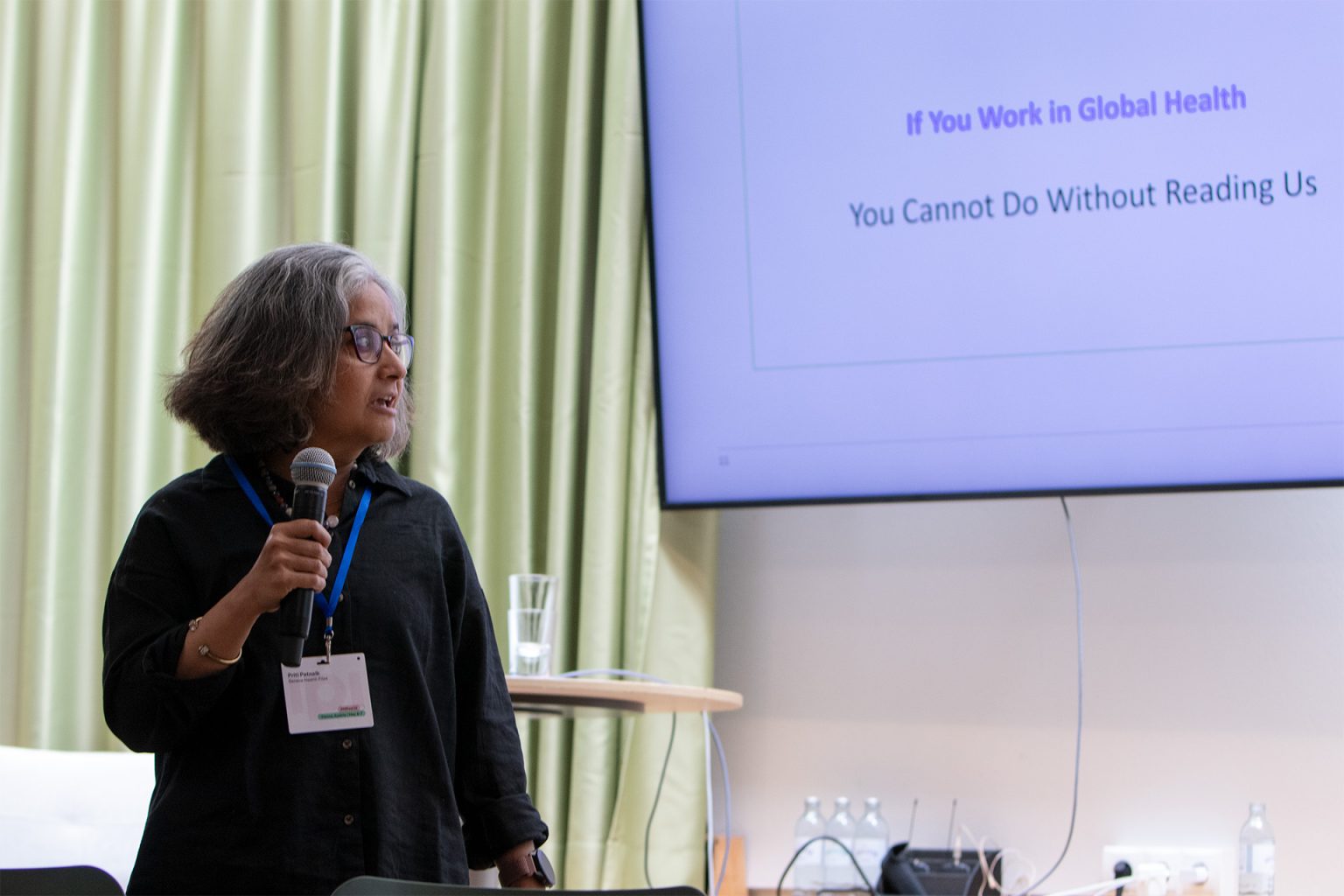
There were pitches and demos by engineers, niche publishers like Geneva Health Files, teams building live journalism and more.
The most powerful response came after the event:
“I found myself surrounded by conversations that moved effortlessly from partnerships and documentary ideas to survival strategies, subscription models, what to do between sessions in Vienna” – Priya Thuvassery, co-CEO Chambal Media.
This community is what makes IPI’s work possible. Help us shape #MIFest27 programme, stay involved in our projects, and lean on us as a partner in the work ahead. Contact rpowell[at]ipi[dot]media.