The IPI global network expresses deep concern about growing threats to press freedom in the eastern provinces of the Democratic Republic of the Congo, where armed rebel groups and government forces are engaged in conflict over the exploitation of natural mineral resources. Journalists covering the country’s shadowy mining industry and its human and environmental toll are especially at risk. IPI calls on all parties to respect the rights and safety of journalists and on the international community to exercise urgent pressure on conflict parties to do so.
Most recently, on January 28, elements of the armed group AFC/M23 barred journalists from reporting on a landslide that caused the death of more than 200 people in a coltan mining zone in Rubaya, in the DRC’s North Kivu province.
Thousands of artisanal miners work in the zone, and the landslide has been attributed to improper mining practices. Coltan contains the elements niobium and tantalum, which have a range of uses, including in superconductors and electronic equipment. The Rubaya incident was not the first time that artisanal mining sites have led to tragic landslides in the DRC.
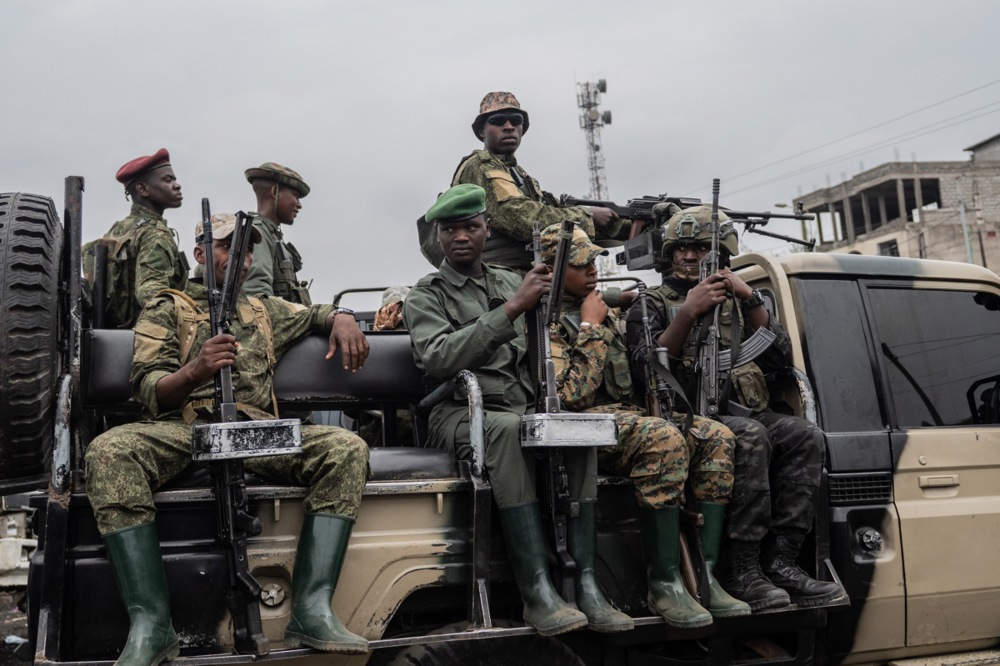
At the same time, media coverage of the armed conflict between the AFC/M23 and DRC military forces, supported by the “Wazalendo” militias – including coverage of the conflict’s human and environmental consequences – has been frequently restricted. Among other things, this has led to the rise of misinformation on mining disasters.
Environmental damage in the region has increased with the intensification of the conflict between the AFC/M23 and government forces. The rate of tree-cover loss in Kahuzi-Biega and Virunga National Park, for instance, has sharply increased since the fighting reignited in late 2021, according to Mongabay, an environmental reporting platform.
IPI’s most recent monitoring report on attacks on climate and environmental journalists in Africa highlighted a trend of severe violence against journalists working in the DRC, especially those covering the country’s mining industry and armed conflict linked to resource exploitation. In August 2025, journalist Fiston Wilondja Mazambi was tortured and killed in South Kivu province, allegedly by elements of M23, after investigating suspected collaboration in illegal mining between rebel groups and government authorities.
“Barring journalists from covering the Rubaya mine disaster, which cost the lives of hundreds of people, is the latest serious attack on press freedom in eastern DRC. These attacks are preventing access to critical, independent information on the ongoing, resource-driven conflict in the region and its profound human and environmental implications”, IPI Africa Advocacy and Engagement Lead Nompilo Simanje said. “Conflict parties must respect the rights of journalists, and the international community must urgently put effective pressure on these parties to protect reporters’ safety and access to information on this conflict and its horrific consequences.”