The IPI global network is gravely concerned by the passage of a new “anti-fake news” bill in South Korea that could infringe on media freedom and restrict the press’ ability to hold power to account. IPI calls on the South Korean government to pause the July implementation of the law in order to conduct a human rights risk assessment of the legislation in consultation with civil society and media stakeholders.
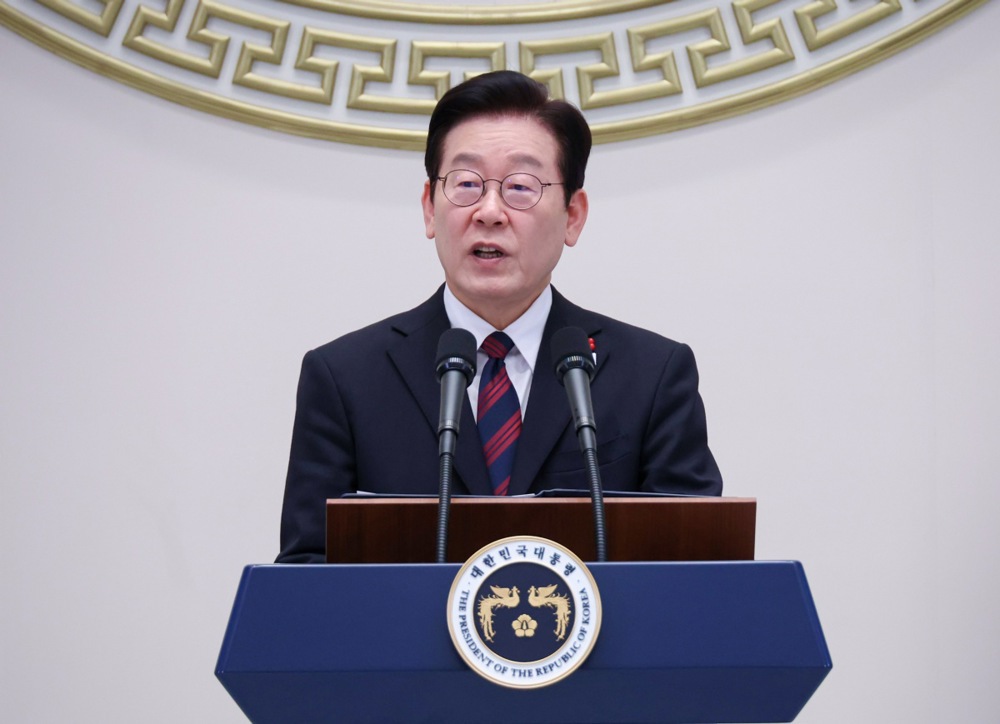
On December 24, the Korean National Assembly passed a revised version of the Information and Communications Network Act led by South Korea’s ruling progressive party, in what critics said was a “rushed” legislative process. The bill, which has now been signed by South Korean President Lee Jae Myung, will enter into force in July.
Dubbed the “anti-fake news bill,” the new law punishes media outlets or YouTubers that publish or circulate false, manipulated or illegal information with the “intent to cause harm to others” or “obtain illicit gains.” Those found liable may be required to pay up to five times the assessed damages. The bill also retains South Korea’s criminal penalty for defamation.
What specifically constitutes “false and fabricated” information and “public harm” is vaguely defined in the law, raising concerns the bill could make it easier for government officials and corporate actors to file complaints against the press, and that outlets will engage in self-censorship.
The law would grant the Korea Media and Communications Commission, which is under the strong influence of the ruling party, wide discretion in interpreting and applying the terms of the legislation.
Much criticism of the bill has come from pro-government and civil society groups typically aligned with the liberal ruling party, who argue the bill is disproportionately punitive and unnecessary, as mechanisms already exist for those who are victims of false news reports and hate speech under South Korean law.
Some members of the National Assembly have also asserted the law is unconstitutional, given its broad wording, which they argue is a violation of South Korea’s constitutional “principle of clarity.”
Several provisions advocated by progressive members of the National Assembly and civil society during the legislative process that would have codified greater protections for press freedom were not included in the final legislation.
The U.S. State Department criticized the bill for “undermining freedom of expression,” while UNESCO warned the bill encourages censorship. In a joint statement released after the bill’s passage, five Korea-based media groups urged the government to clarify that the law will be applied narrowly and will not be used to undermine press freedom and freedom of expression.
A similar “fake news” bill was put forward in 2021 but was scrapped following international criticism, including from IPI and Irene Khan, the UN special rapporteur for freedom of expression and opinion.
On December 21, a group of South Korean lawyers petitioned Khan and three other special rapporteurs to formally raise issues with the new law with the South Korean government.
“IPI is deeply concerned about how this legislation could be used to censor and punish journalists and media outlets in South Korea,” said IPI Executive Director Scott Griffen. “We urge the South Korean government to immediately pause implementation of the law and open a process of meaningful consultation with the media community and civil society and conduct an independent risk assessment of how this legislation would impact freedom of expression and media freedom. The legislation should then be amended accordingly — or repealed altogether.”