On July 23, French media outlet Canal+ was conditionally approved to acquire South African TV broadcaster MultiChoice by South Africa’s Competition Tribunal, an independent, quasi-judicial body that makes rulings over media merger cases.
The South African-based MultiChoice is one of Africa’s leading entertainment platforms, serving tens of millions of viewers across Sub-Saharan Africa through its subsidiaries. If the deal is finalised, Canal+ would become Africa’s largest media conglomerate and potentially reshape the media landscape across the continent, expanding its audience by more than 30 million. The companies—the two largest media outlets in Africa—must finalise the acquisition by October 8, 2025.
While the merger agreement includes public interest commitments proposed by both media groups, such as continuing local sports and entertainment programming, IPI remains concerned over potential editorial interference and the silencing of critical reporting.
“If this acquisition is completed, the Canal+-Multichoice merger would create a de facto monopoly, giving the Bolloré Group enormous influence over the flow of information and the nature of content that reaches millions of African households,” said IPI’s Africa Advocacy and Engagement Lead, Nompilo Simanje. “This consolidation of power will undoubtedly limit media pluralism in the region, as local and independent media outlets struggle to compete.”
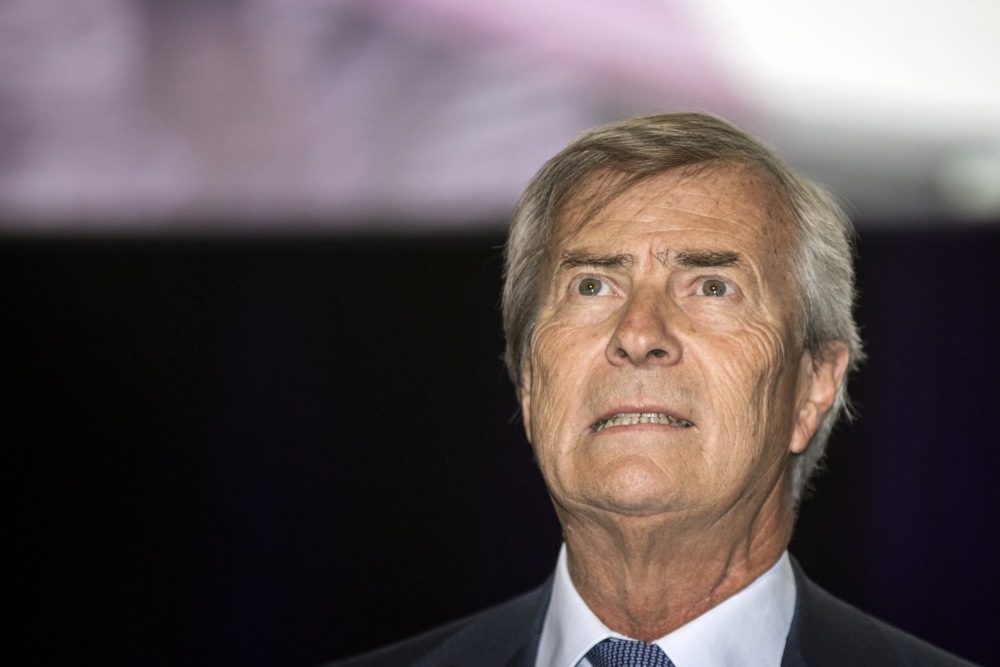
French billionaire Vincent Bolloré is the controlling shareholder of Canal+ parent company Vivendi and a controversial figure wielding significant influence over the French television giant. Described as the “French Rupert Murdoch”, Bolloré has been building his own conservative media empire for decades in France and extending it into Francophone Africa.
Bolloré has long been accused of editorial interference and promoting a political agenda in operating his media empire. Canal+ channels cater to increasingly conservative audiences, propagating views against migrants, Islam, and the “woke” left. His acquisitions of other French media outlets have been met with severe pushback, including the appointment of a far-right editor-in-chief to the Journal du Dimanche (JDD).
In 2015, Canal+ censored a documentary about Crédit Mutuel, a powerful French bank accused of tax evasion schemes, with insiders claiming Bolloré pulled it from broadcast due to his personal business links. A year later, Canal+ axed the investigative journalism programme called Spécial Investigation, which examined corruption and corporate misconduct. Even political satire, such as France’s long-running puppet show, “Les Guignols de l’Info,” was cancelled. More recently, in December 2023, Canal+ cut the signal of three channels critical of [former junta leader] Mamady Doumbouya at the request of Guinean authorities.
Vivendi also has a history of targeting journalists and press freedom organisations that criticise the media giant. Legal trouble has befallen Bolloré himself due to allegations of corruption involving African presidents and violations of journalistic ethics. In March 2024, Bolloré was questioned before the National Assembly over perceived biased programming, though he adamantly denied imposing any ideological influence over content.
“It is gravely concerning that Africa’s largest private broadcaster may come under the effective control of a right-wing billionaire from France with a track record of allegedly corrupt business dealings in Africa and of airing extreme right-wing and racist views on the media platforms he controls in France,” says Simon Allison, an IPI member and co-founder of the South African-based independent news magazine, The Continent. “This is going to make it significantly more difficult for independent journalism to thrive on the continent and to fulfil its core function of holding power to account.”