IPI Monitoring Report: Climate and Environmental Journalism in Africa
At least 19 cases of threats and attacks against journalists from March to September 2025
As countries across Africa face escalating climate and environmental challenges brought on by extreme weather events, water scarcity, and the adverse effects of natural resource extraction, journalists play an increasingly vital role in raising public awareness of these issues.
Natural disasters often add to the complexity of conflict areas, fuelling instability and volatile security contexts. The rapid growth of foreign investment in extractive industries in Africa has also exacerbated both conflict and the environmental crisis in Africa as multinational companies, governments, and paramilitary groups compete for control over critical resources, often at the expense of Africa’s most vulnerable and marginalized communities.
Robust reporting on these topics contributes to an informed public, saving lives and reducing violence. Independent media can also hold governments and businesses accountable for causing harm to the environment, driving meaningful action and policy responses.
At the same time, journalists covering climate and environmental issues face a wide range of barriers to their work, as actors with vested interests seek to silence critical reporting. IPI adopts an established methodology to monitor threats and attacks against journalists, relying on independent research and investigations, and leveraging our multistakeholder networks, including journalists and civil society, for information. Strict verification procedures anchor our monitoring process to protect the integrity of the data. Between March and September 2025, IPI documented a total of 19 incidents of threats and attacks across nine countries, impacting 20 journalists. The DRC and Somalia recorded the highest number of violations.
In the most concerning case from this reporting period, one journalist was tortured and killed in the DRC after investigating suspected collaboration in illegal mining between rebel groups and government authorities.
Key trends
- Most violations were linked to reporting on natural resource exploitation, particularly the mining industry and land disputes.
- State actors, ranging from local police to military personnel to judicial bodies, were the primary perpetrators of violations, including threats, arrests, and in some cases court orders following complaints from industry actors.
- Most violations originating from government actors involved either the use of the law to censor critical reporting or physical arrests of journalists and/or the confiscation of reporting equipment.
- Several violations documented involved foreign companies, particularly Chinese-owned companies.
- Several violations occurred while journalists were on the ground actively investigating suspected environmental crimes or documenting industry practices.
Violations by country

DRC
Attacks on journalists covering the DRC’s shadowy mining industry have been on the rise as provincial authorities and state security forces play an active role in cracking down on journalists exposing environmentally harmful industry practices, often tied to Chinese-owned firms. The situation has been exacerbated by the conflict in the DRC’s resource-rich east, where armed groups have used threats, torture and brutal force to silence journalists.
- On August 5, journalist Fiston Wilondja Mazambi was abducted, tortured, and killed by members of the M23/AFC rebel group in South Kivu province. According to an IPI source, he was killed for investigating allegations of collaboration in illegal gold mining between rebel groups and government authorities in Kinshassa.
- In July and September, freelance journalist Pacifique Muliri was the target of several attacks while investigating the Lomera mine in South Kivu province. He told IPI that he received death threats by telephone and through messages. On July 6, his home was raided and his reporting equipment was stolen by rebel groups, and he went into hiding.
- On May 25, M23/AFC members in Goma arbitrarily arrested and detained journalist Jeremie Wakahasha Bahati, accusing him of publishing a post on social media about the assassination of a public transport driver by rebels. He was released after several days of detention.
On April 8, militiamen from the armed group Zaire confiscated the camera and phone of journalist Flori Drajiro while he was taking photos at the Mabanga mining center in eastern DRC. The militiamen beat the journalist, accusing him of photographing within their area of influence without authorisation. He escaped with physical injuries.
Somalia
Ongoing conflict and prolonged droughts and floods have created an humanitarian and environmental emergency in Somalia, displacing many of the country’s marginalized communities. The volatile security situation has served as the pretext for an abusive crackdown on journalists seeking to report on the environmental crisis, with rampant cases of arbitrary arrests, detentions, and repression of independent journalists.
- On August 3, Hamar Jajab Police assaulted and arrested three journalists: Osman Abdullahi Mohamed and Hussein Isse Mohamed of SMS Somali TV, and freelance journalist Mahad Mohamed Abdirahman. The journalists had been covering forced evictions of families from public land that had allegedly been sold to wealthy businessmen in Mogadishu. They were later released without charges.
- On June 6, Puntland State Police arrested journalists Mohamed Abdul Aziz of Radio Galkayo and Ahmed Abdiqani Yusuf, a freelance cameraman. The journalists had been reporting on a series of local youth protests demanding better sanitation and a functioning drainage system, as rains had blocked roads. The journalists were released the next day without charges.
On September 14, a high-ranking officer of the state intelligence service verbally assaulted Dalbile TV journalist Anisa Ahmed and her cameraman, threatening her with disappearance. Anisa had been reporting on the forced eviction of vulnerable families occupying government land in Mogadishu’s Daynile neighbourhood. After Ahmed posted an audio clip of the threats on social media, several intelligence officers ordered her to delete it and issue a public apology, threatening arrest if she did not comply.

Ghana
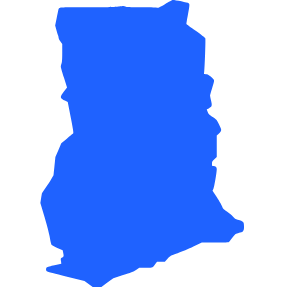
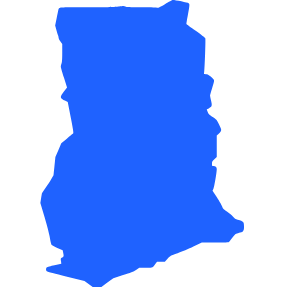
Illegal gold mining on the part of local and foreign companies has severely degraded Ghana’s river bodies, forests, and farm lands, while the environment for press freedom in Ghana remains tenuous as state authorities have failed to hold perpetrators of attacks against journalists accountable, despite democratic progress.
- On August 1, environmental journalist Erastus Asare Donkor received a series of anonymous online threats to his life. Donkor told IPI the threats followed his publications, which those who sent the messages claimed caused them to lose investments.
Burundi
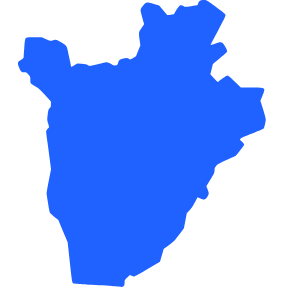
Burundi faces a range of climate change challenges, including deforestation, land degradation and water pollution, while press freedom is rapidly deteriorating under an atmosphere of fear and repression. Burundi’s independent media have struggled to survive amid arbitrary arrests and prosecutions.
On April 3, journalist Norbert Rucabihari was arrested by police while taking photos on a bridge in Bujumbura for a story on waste dumping in Lake Tanganyika. Following the incident, the Imbonerakure – a political youth movement affiliated to Burundi’s ruling party – threatened to “correct” the journalist.
Mauritania
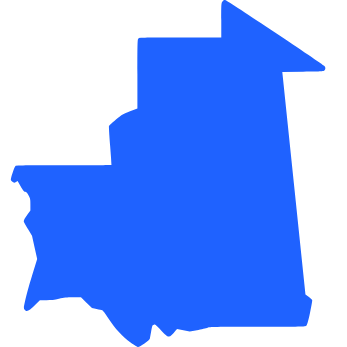
Climate and environmental issues are a growing problem in Mauritania, as the country faces rising sea levels, the effects of overfishing, prolonged droughts, and extreme heat. Meanwhile, independent journalism and critical reporting remain challenging, despite legal reforms in the past years that have improved the overall context for press freedom in Mauritania.
- On July 22, environmental activist Ali Ould Bakkar was arrested at his home in Nouadhibou by state security forces. Authorities accused Bakkar of publishing false information about illegal fishing activities carried out by Turkish foreign vessels in a restricted maritime area, claiming his reporting harmed Mauritania’s foreign relations. Bakkar was unconditionally released after two months of detention.
Sierra Leone
Sierra Leone’s gold mining sector continues to be plagued by illegal mining – often involving influential public figures and foreign firms – which has had far-reaching environmental impacts. While generally able to work independently, journalists in the country occasionally face repression, intimidation, and harassment, including through abuse of the law.
- On August 20, New Age Newspaper journalist Thomas Dixon was summoned by police following a complaint lodged against him by the Chinese-owned Leone Rock Metal Group, claiming the journalist had engaged in “cyber-stalking and cyberbullying.” The incident occurred after Dixon published a report about improper labor practices at the company.
Somaliland
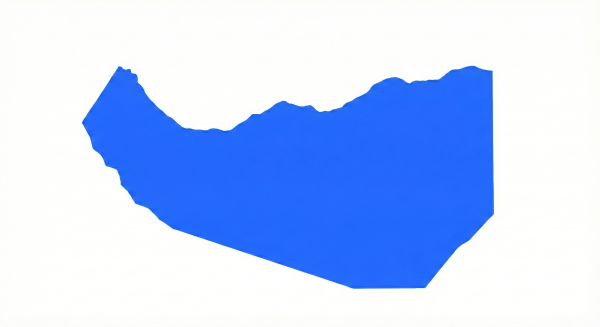
Somaliland, an unrecognized state in the Horn of Africa, faces similar climate and environmental challenges as Somalia itself, including persistent droughts. Meanwhile, press freedom is limited as authorities show intolerance for critical reporting on issues sensitive to the government.
- On September 27, Somaliland police in Gabiley arrested journalist Mohamed Wadiin after he reported on the arrest of clan elders by Somaliland authorities following their criticism of the government’s decision to seize land. Sources tell IPI that Wadiin remains detained without an arrest warrant, despite the Somaliland constitution prohibiting arrests without due process.
Uganda
Extreme weather events in Uganda, including prolonged drought and rainfall, have resulted in crop losses and disrupted farming seasons. At the same time, press freedom is under severe strain as journalists critical of the government regularly face arbitrary arrest and detention, while state security forces frequently target journalists with disproportionate violence.
- On August 19, journalist Christopher Semalemu Ssemakula of the online news outlet Bbeg Media was violently assaulted by a mob while covering a land dispute in Kampala. The journalist’s iPhone, camera, and equipment were stolen during the attack. The local press association has called on authorities to investigate the assault and hold the perpetrators accountable.

Zambia
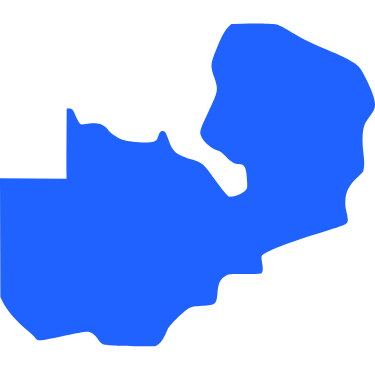
Severe droughts and floods have upended Zambia’s agricultural industry, driving a humanitarian crisis, while journalists continue to face persistent challenges, often resorting to self-censorship out of fear of reprisals.
- On May 22, a court in Lusaka blocked the release of a documentary produced by online newspaper News Digger. The documentary, titled “Chinese Investment in Zambia: The Good, The Bad and The Dangerous,” exposed how Chinese investments have been linked to environmental damage, including water pollution and flooding. The court’s action was in response to a defamation lawsuit brought against the media outlet by the Chinese Chamber of Commerce in Zambia. In July, the court reversed the earlier decision, allowing the documentary to be aired.
The IPI Africa programme, through its project ‘Strengthening Press Freedom for Climate and Environmental Journalists in sub-Saharan Africa‘, will publish two fact sheets per year highlighting emerging threats to the press and journalists covering climate and environmental issues. This first edition covers the period from April to September 2025.