This story is part of the series from the Transition Accelerator 2024 cohort.
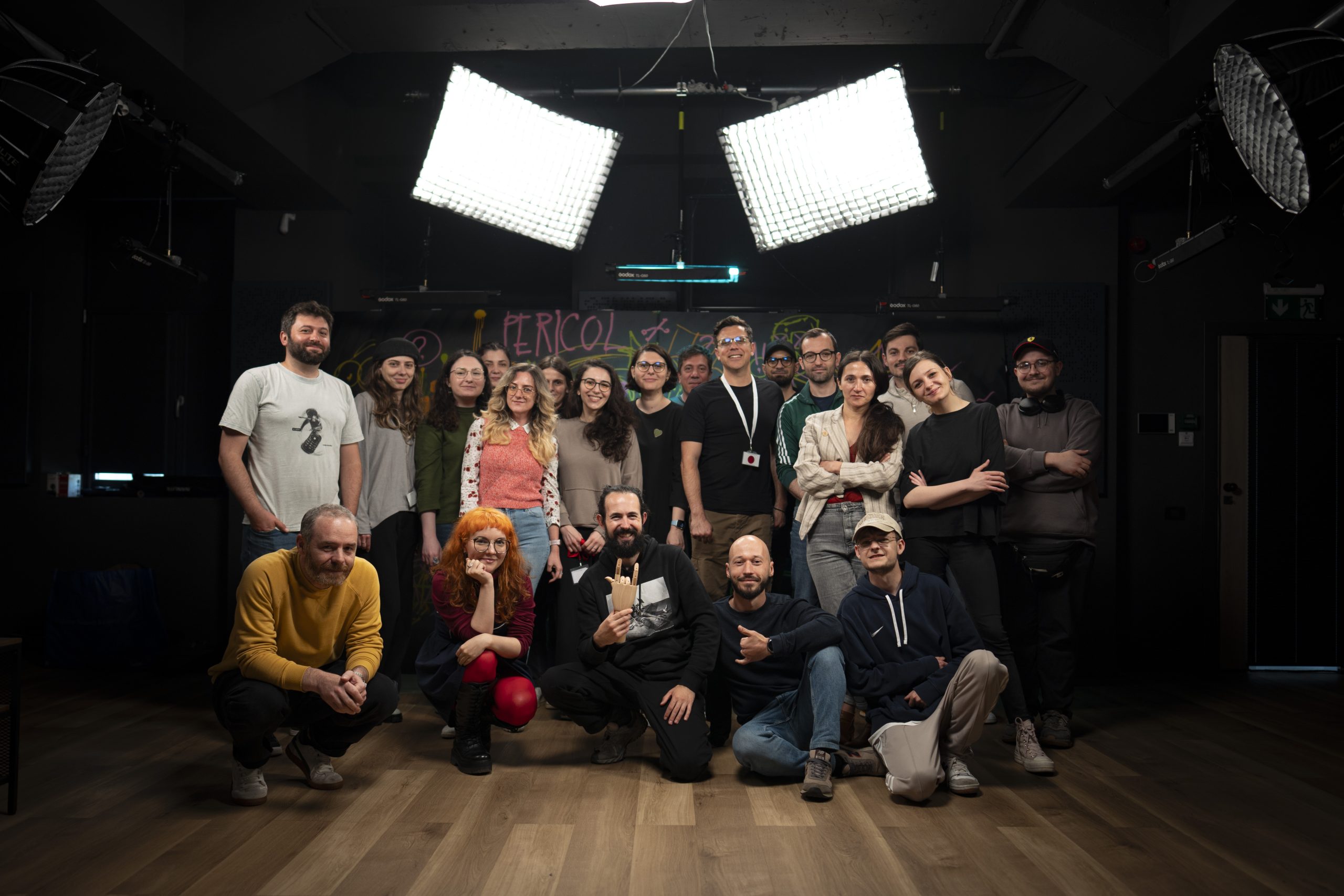
Today, we spotlight Recorder, an independent investigative media outlet from Romania, known for uncovering and explaining the key issues that shape people’s lives. Guided by its mission of “honest journalism, made with passion, and put into public service”, Recorder empowers its audience to stay informed and invested in the world around them.
Through the Transition Accelerator, Recorder set out to bring together donors from over five donation platforms by building a custom Customer Relationship Management (CRM) system. IPI’s Media Innovation team sat down with Roxana Stan, Fundraising and Grants Manager, to hear what it took to move beyond the “Excel sheet hell”, and how a behind-the-scenes infrastructure project is already delivering value both to their newsroom and their community of supporters.
Stepping back for strategic clarity
Around 90% of Recorder’s revenue comes directly from its readers, a powerful testament to the trust they have built with their community. But this funding model brings its own complexity: donations are spread across multiple platforms, making it challenging to gather data and track donor behavior consistently.
“For example, one of our main donation platforms didn’t provide specific data on who had cancelled their donations, so we had to extract that information manually,” recalls Roxana Stan, Fundraising and Grants Manager. “Each month, we had to go through around 2,000 donations or more to identify churn. Even determining the total number of cancellations required repeated calculations to ensure the data was accurate.” All of this meant time and human resources taken away from more strategic work.
As such, throughout the accelerator, Recorder followed a structured process to build a custom CRM: defining their needs, mapping donor journeys, comparing tools, and testing assumptions. The goal was to create a system that would simplify workflows and strengthen their relationship with readers.
The discovery and testing phase turned out to be the longest. “There were times when it felt like we weren’t making progress,” Roxana says. “But looking back, we were actually following very concrete steps.” Through the accelerator, they began by mapping the CRM landscape and narrowing their options to five or six tools based on functionality. Then, they flipped the approach. “We stopped asking what the tools could do and started asking what we, as an organization, really needed.”
The team’s priorities quickly came into focus: centralize donor data, streamline workflows, and better understand supporter behavior. “We needed to see patterns, like whether churn on one platform reflected churn on all platforms, if donors were leaving entirely or simply shifting between channels. That level of traceability was essential.”
Just as important was the long view. Recorder realized it needed a CRM that would fulfill their requirements, yet be adaptable to changes in user behavior over time. In the end, they chose one that they felt struck the right balance between functionality, cost and viability. As part of their research, the team discovered that other nonprofits in Romania were using it too, which added an extra layer of trust.
First wins and tangible reader impact
“We’re not completely out of Excel sheet hell,” Roxana admits with a laugh. “And honestly, I don’t think there will ever be a time when we don’t use sheets at all.”
Still, with the CRM in place and all donor data centralized, the difference is clear. Without complicating the process for readers, the team is now saving days and hours each week.
One simple outreach example proved how valuable the shift was: “At the beginning of the year, the CRM showed that some donors had stopped contributing, so we contacted them to find out what had happened”, Roxana recalls. “It turned out many of their cards had expired, and they didn’t even know they weren’t donating anymore. We brought several of them back just by sending that single message and asking what was going on.”
Inspired by exercises from the accelerator bootcamp, the team also prepared in-depth interviews with both recurring donors and readers who hadn’t yet donated. Time constraints have prevented them from proceeding with full-scale conversations, but even small, targeted questions powered by CRM data have already started to make a difference.
“We reached out and asked people what made them donate or stop donating at a specific moment. That, in itself, felt like progress, and the feedback that followed showed us that one well-timed question, combined with a genuine willingness to listen, can go a long way. People feel that their opinion matters to you.”
Clear path to better reader relationships
The team is now experimenting with visual formats to trace donor journeys more clearly and transparently across departments. Though they are just beginning to tap into their CRM’s full potential, they’re happy with the progress. “There’s real satisfaction each time we discover a new little feature,” Roxana says. “Everyone lights up, like ‘Wait, we didn’t know we could do that!’”
From regaining lapsed donors to fostering conversations, Recorder’s CRM is more than a back-end fix. It’s becoming a tool for building trust and strengthening reader relationships from the inside out.
The Transition Accelerator is part of the Media Innovation Europe programme (MIE), made possible with the support of the European Union.