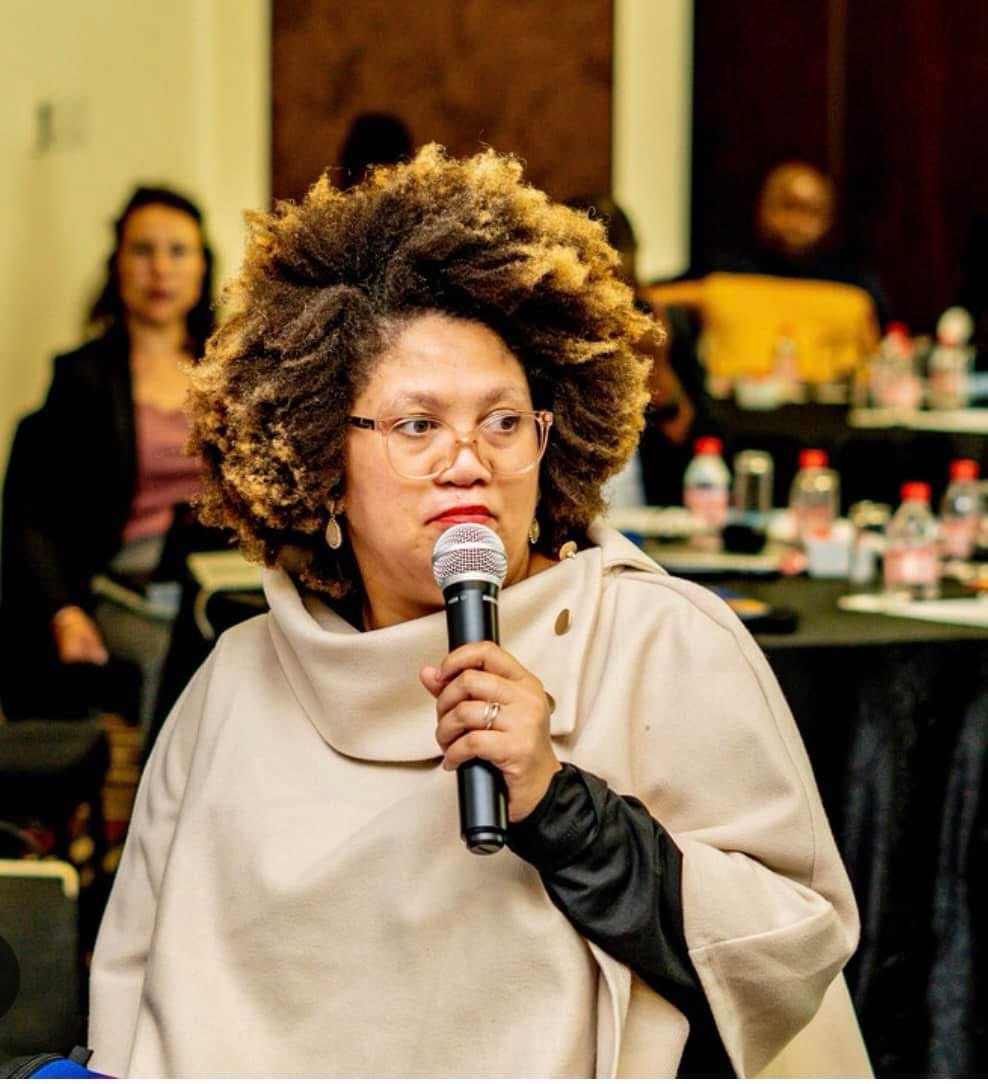
The International Press Institute condemns the treatment of Namibian journalist Jemima Beukes after asking questions of the country’s president during an official event, and calls on Namibian authorities to uphold journalists’ rights to do their jobs.
On February 2, 2026, security personnel for President Netumbo Nandi-Ndaitwah forcibly removed Beukes from Namibia’s State House after she asked the president about the alleged involvement of the president’s family in the control of the oil industry in Namibia. Beukes, founder of the Namibian news outlet The Whistle, was attending a cabinet opening and asked her question during a photo break.
Security officers also confiscated the phone that Beukes had used to record the incident. State House officers took pictures of her car and threatened her with arrest, telling Beukes this was in response to asking a question after the president had told her not to.
Beukes later said on Facebook that she felt unsafe after a source advised her that the authorities had opened a dossier on her and were “trying to find something on her”.
“Asking questions is not a crime – it’s a journalist’s job. Jemima Beukes should not face harassment and intimidation for asking critical questions of public officials, especially when these questions relate to matters of clear public interest, such as the management of Namibia’s natural resources”, IPI Advocacy and Engagement Lead Nompilo Simanje said. “We urge President Netumbo Nandi-Ndaitwah and Namibian officials to allow journalists to do their jobs freely and safely and to commit to government transparency on issues of public interest.”
Following the incident, the presidential office issued a statement reaffirming its commitment to media freedom and acknowledging the vital role played by journalists in strengthening Namibia’s democracy, transparency, and public discourse.
While IPI welcomes the public affirmation and acknowledges that protocol and security considerations are important within the State House and other official spaces, these should not lead to targeted intimidation or aggression towards a journalist for doing her job.
In 2025, Beukes is reported to have been subjected to relentless harassment, discrimination, and retaliation for critical reporting on environmental and economic concerns around the country’s “Green Hydrogen” project.
IPI stands in solidarity with Beukes and joins press freedom organisations in Namibia in calling on the presidency to reinforce its commitment to journalist safety in practice.