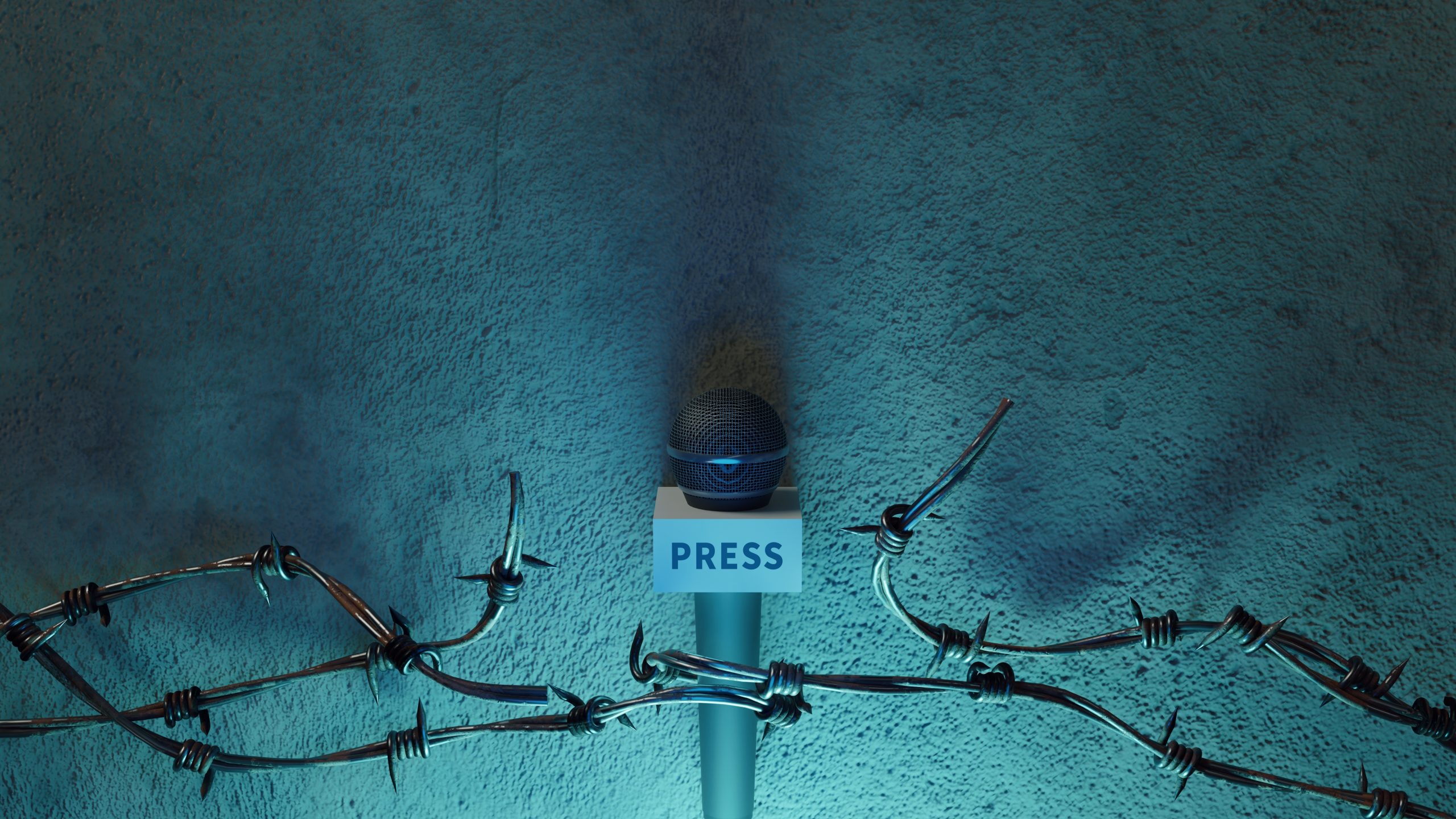
The following resolution was adopted by the members of the International Press Institute (IPI) on October 15, 2025 by unanimous vote of those present at the 74th annual General Assembly, and presented at the IPI World Congress on October 25, 2025 in Vienna, Austria.
Around the world, journalists are threatened, attacked, and killed – and in nearly all cases, these crimes go unpunished. This impunity prevails despite international commitments by states to ensure accountability for attacks on the press. It is essential that states and political leaders exercise the political will to uphold the rule of law and the body of binding global commitments protecting the rights of journalists to carry out their work freely and safely.
The extent of what is at stake is horrifically evident in Gaza, where at least 235 journalists have been killed by Israeli forces – many deliberately targeted – since the start of the war two years ago, making this the deadliest conflict for journalists on record. Not a single case has been credibly and independently investigated.
Beyond the devastating harm to the Palestinian media community, the total impunity for the killings of journalists in Gaza represents a total breakdown of international law and rules of war protecting journalists, as civilians. It has also sent a clear signal that journalists anywhere in the world can be targeted and killed without repercussions – and the international community will do little or nothing to stop it.
Beyond Gaza, journalists in many parts of the world face growing attacks and risks to inform the public about conflict, political turmoil, corruption, and organized crime – yet these attacks are rarely investigated or prosecuted. In Haiti, journalists are targeted amid spiraling gang violence and political instability, with killings and kidnappings of journalists met with total impunity. Since the outbreak of civil war in Sudan in 2023, journalists have faced intimidation, detention, violence, and killings, with virtually no accountability for perpetrators. In Somalia – long one of the world’s deadliest countries for journalists – armed groups and political actors alike target the press, and impunity remains entrenched. In Mexico, journalists covering corruption, crime, and local politics are routinely murdered or disappeared, making it one of the deadliest countries for journalists outside active war zones, with impunity levels among the highest in the world.
These cases highlight the global nature of the crisis of impunity and accountability in which blatant violations of laws and norms by the powerful have become routine, and perpetrators face little or no risk of justice. The entrenched impunity for crimes against the press and the failure of states and world leaders to uphold the rule of law in the face of often blatant abuses and crimes is strengthening authoritarianism and fueling attacks on democratic rights and freedoms everywhere. This includes the rights of the media to serve as an independent watchdog on power and the rights of journalists to report freely and safely on matters of public interest.
Impunity for human rights abuses is like a contagion: eroding the rule of law, trust in democratic institutions, and fueling further violence. It sends a clear and chilling message that journalists and other public watchdogs can be harassed, silenced, or even killed without consequence.
Under international law, states have a clear obligation to investigate and prosecute such violations. Yet despite these obligations, there has been little tangible progress by states in reversing these trends, even as the environment for journalists becomes increasingly hostile and dangerous. The most serious and lethal attacks on the press are rarely investigated or prosecuted. When cases do move forward, justice is often partial and painfully slow, with proceedings stretching on for years and often failing to bring those ultimately responsible to justice. In most instances, progress is only achieved through the relentless determination of the slain journalist’s family and colleagues and through sustained advocacy of civil society.
What is clear is that laws and international agreements alone are not enough: it requires political will and political leaders who are committed to upholding the rule of law – and who believe in free societies and the rules and rights-based order – to stand up for these commitments and principles in practice. This means they must investigate, prosecute, and punish crimes against journalists – even when the pursuit of justice means holding political allies and powerful elites to account.