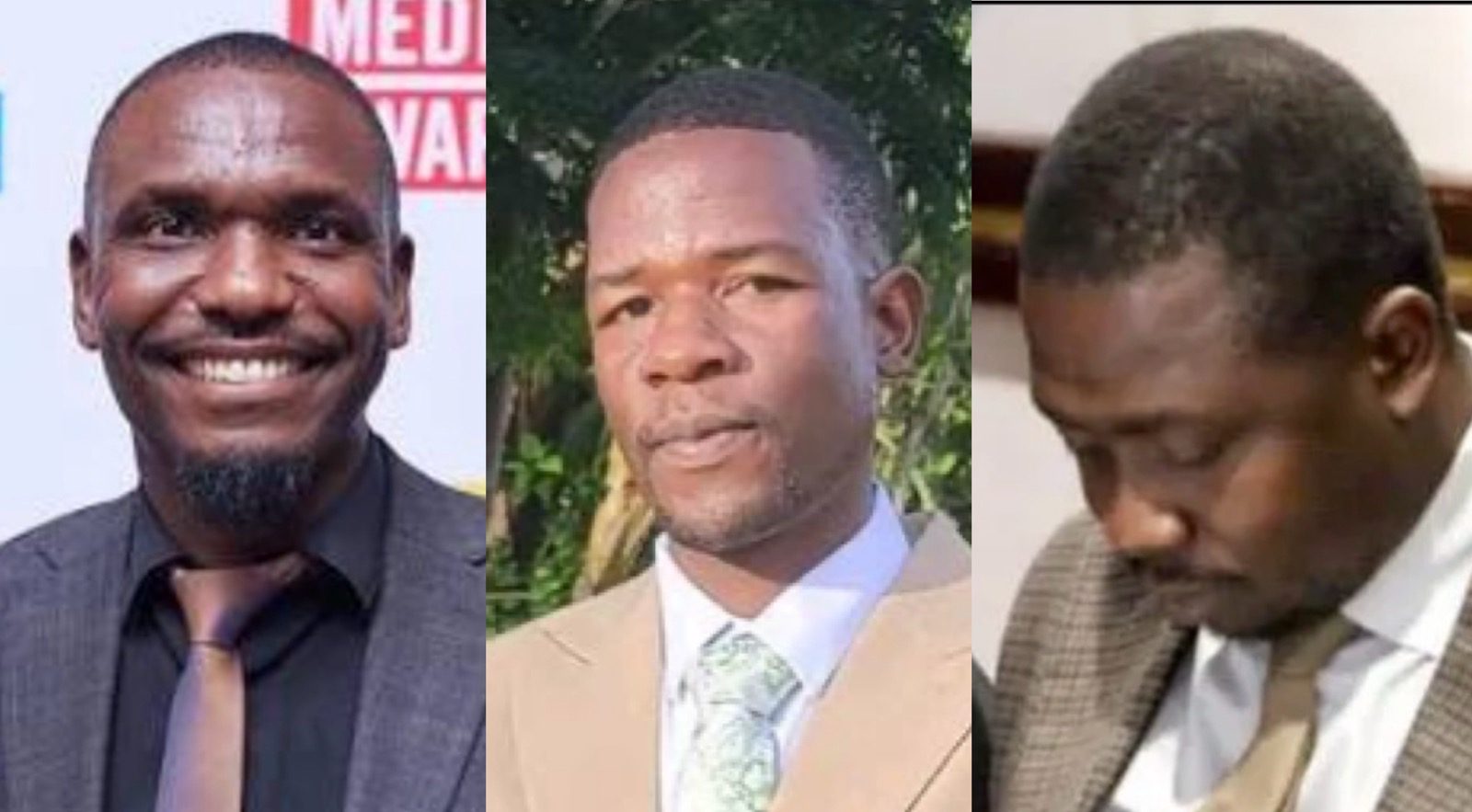
The IPI global network expresses deep concern over a series of recent incidents in Zimbabwe that signal an alarming escalation of pressure, intimidation, and violence targeting journalists. In recent weeks, individual journalists in Zimbabwe have faced threats from senior government officials, criminal prosecution linked to their reporting, and physical attacks while carrying out their work. IPI urges the Zimbabwe authorities to reaffirm their commitment to media freedom and ensure that journalists can report freely on matters of public interest without intimidation or harassment.
In February 2026, following a speech by journalist Blessed Mhlanga at the Geneva Summit for Human Rights and Democracy, Zimbabwe’s information minister threatened Mhlanga with criminal prosecution and described his speech as “an act of hostility against his homeland”. At the summit, Mhlanga spoke about his 73-day pre-trial detention in 2025 over his reporting and the deteriorating press freedom situation in Zimbabwe.
Following the minister’s remarks, media reports indicated that authorities had issued an arrest warrant against Mhlanga, accusing him of violating Section 22A of the Criminal Law Codification and Reform Act for “wilfully injuring the sovereignty and national interest of Zimbabwe by actively participating in meetings, communication or cooperation with foreign governments or their agents”. Media have also reported that authorities deployed a counterintelligence team at the airport in Harare to arrest Mhlanga upon his return to Zimbabwe.
Mhlanga is also on trial on charges of “transmitting data messages that incite violence or damage to property”. This followed his arrest in February 2025 after Mhlanga broadcast an interview with now-late Blessed Geza, a war veteran and member of the ruling party Zanu PF, who criticized the government’s plans to amend the Constitution and extend the presidential term limit. Mhlanga’s arrest and detention in this case was also the subject of his speech in Geneva.
Mhlanga was due to appear in court on March 9 for continuation of this trial. His defence lawyers have told the court that Mhlanga is currently in South Africa seeking medical treatment.
In a separate case, journalist Golden Madzikatidze from online media outlet Bulawayo24 has been detained since February 18 on allegations of cyberbullying and broadcasting without a license. Madzikatidze’s arrest followed Bulawayo24’s publication of a story on alleged corruption involving a local waste management company. Madzikatidze was denied bail on March 2 and is due to reappear in court on March 17.
In yet another incident, journalist Effort Manono was assaulted on March 1 while covering a meeting of the National Constitutional Assembly in Harare. The meeting was violently disrupted by unidentified assailants, who also attacked Manono as well as other participants. Manono told IPI that he sustained several injuries and had to seek medical attention. It is unclear who was responsible for the attack, which occurred despite the presence of police.
These recent incidents point to a troubling pattern of journalists in Zimbabwe facing intimidation, criminal prosecution, and violence while performing their professional duties.
IPI calls on the Zimbabwean authorities to take urgent steps to reverse the current climate of intimidation and harassment and uphold the country’s constitutional guarantees of freedom of expression and media freedom, as well as international human rights commitments. Authorities should immediately drop charges against journalist Blessed Mhlanga and ensure that laws on national security and national sovereignty are not used to retaliate against journalism and free expression.
Authorities should also release journalist Golden Madzikatidze and take steps to prevent the abuse of cybercrime laws and other legal provisions in response to media reporting in Zimbabwe. We also call on officials to ensure a prompt, independent, and thorough investigation into the attack against Effort Manono.