As Climate Week opens in New York coinciding with the United Nations General Assembly, the International Press Institute (IPI) champions the vital role journalists and newsrooms around the world play in reporting on climate change and environmental issues.
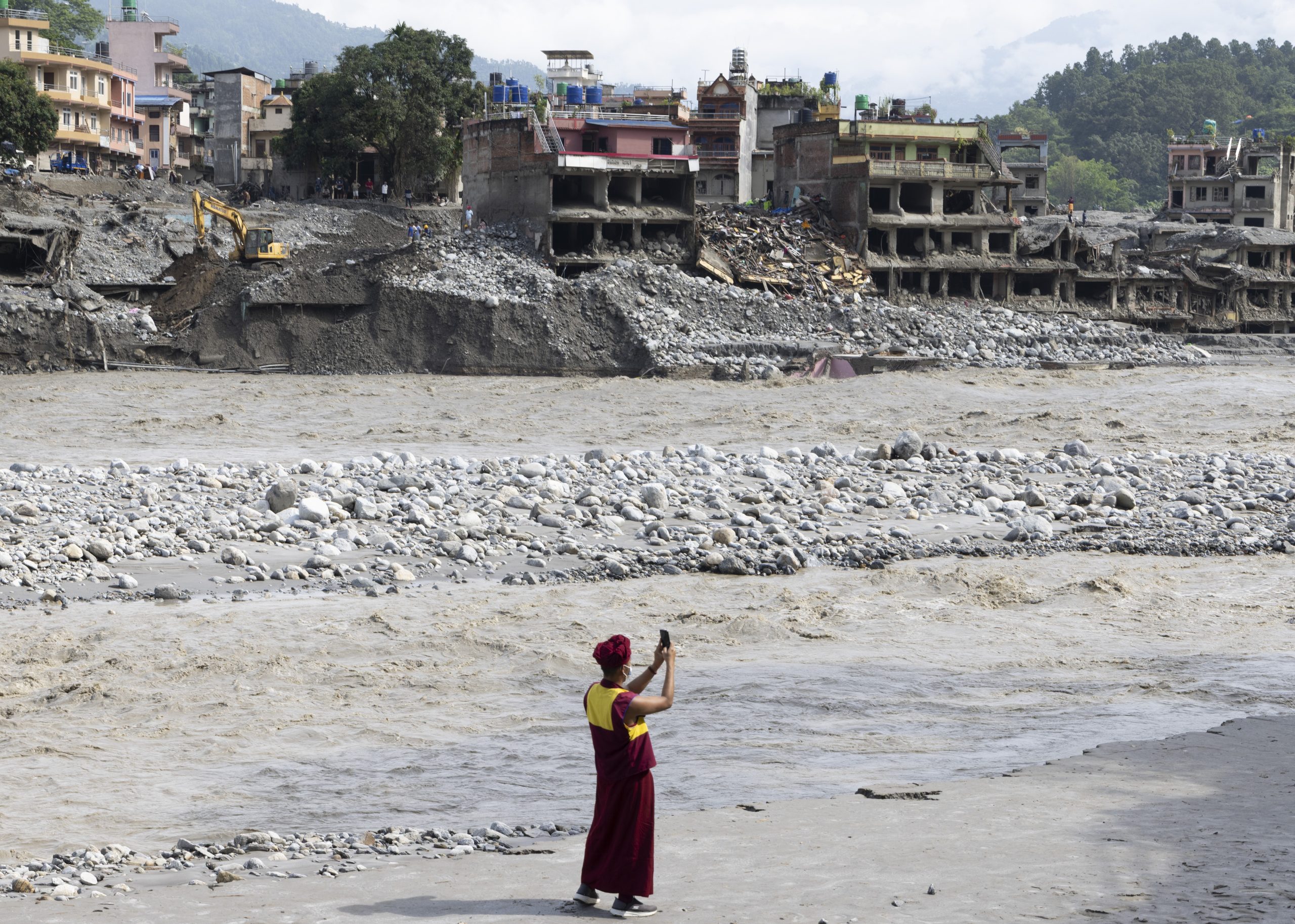
From climate-related disasters to environmental degradation driven by industrial projects, mining, and agriculture, the harm too often falls hardest on local communities, threatening their homes, health, livelihoods, and safety.
Journalists are often the first to document and expose the human toll from climate change and environmental degradation. Their reporting is a critical first step towards accountability when corporate or government practices cause or worsen environmental harms.
Yet they frequently face threats, intimidation, and violence for exposing that harm and for giving affected communities a voice.
“If you care about the environment, you should care, too, about the journalists who risk their safety to show how climate change and environmental damage affect the lives and livelihoods of communities around the world,” IPI Executive Director Scott Griffen said. “Protecting the rights of journalists to cover these stories freely and safely is an essential part of protecting the climate.”
This week IPI is spotlighting the remarkable work of journalists and news organisations covering climate and environmental stories around the world, from illegal cattle ranching in the Brazilian Amazon to a sanctioned Arctic gas project, and from unrehabilitated mines in South Africa to a globe-spanning look at how oil and gas companies operate inside environmentally protected areas.
Follow IPI on Instagram, LinkedIn, and X for more about the vital role of climate journalism.